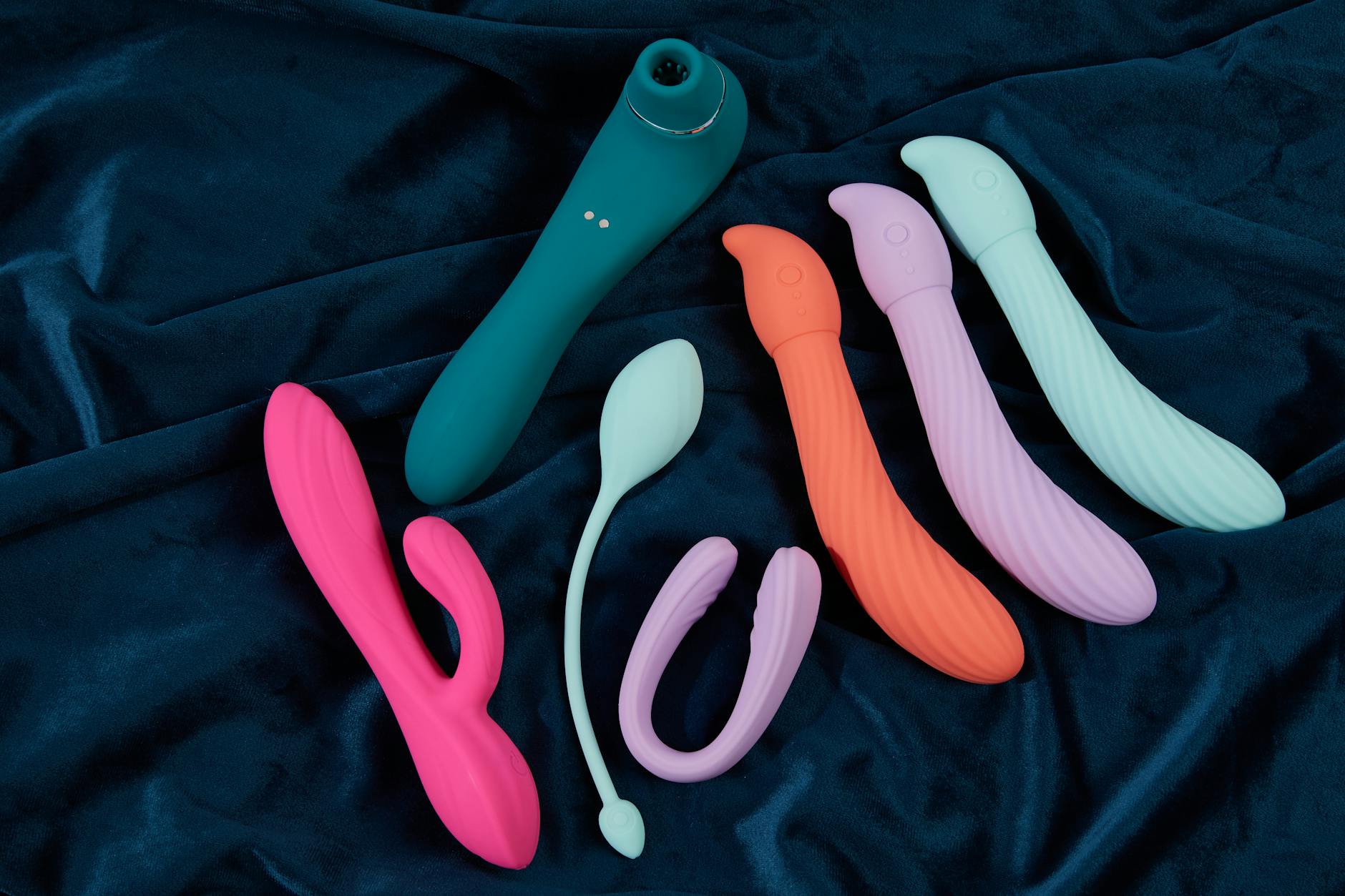
When emotional withdrawal kills physical connection
Here's what nobody tells you: sometimes the reason sex stops isn't because you've stopped loving each other. It's because emotional distance gets in the way, and waiting for your partner to close that gap first leaves you stuck in limbo. You're waiting. They're withdrawn. And the longer you both wait, the harder it gets to touch each other at all.
I see this pattern constantly in my practice. One person pulls back emotionally. Maybe it's stress, maybe it's resentment that hasn't been named, maybe it's grief or work or burnout. Whatever the cause, the result is the same: physical intimacy gets shelved. And then something interesting happens. You stop asking. They stop offering. And suddenly sex feels like it requires a conversation you're both too tired to have.
The surprising part? Starting with your own pleasure, reconnecting with sensation on your terms, often thaws the ice faster than talking about it does.
Why pleasure comes before the conversation
When emotional distance hardens, your body follows. Arousal flattens. Touch feels loaded with unspoken things. Your nervous system is smart enough to know something's wrong, so it literally shuts down access to pleasure as a protective move. You can't relax into sensation when you're also managing tension in your relationship.
But here's the opening: your pleasure doesn't require their emotional availability right now. Not yet.
When you reconnect with your own body separately, three things shift. First, your nervous system gets a chance to downregulate. You feel safe and present in your own skin again. Second, pleasure rewires your brain's association with touch. Instead of "touch equals dealing with this unresolved thing," it becomes "touch feels good." Third, and this matters more than people realize, you become less resentful. You stop waiting for them to fix the connection and you fix your half of it yourself.
Then the conversation becomes possible. Not from a place of "we need to fix this," but from a place of "I want us to have this again."
How lemon vibrators specifically help in withdrawal cycles
Lemon clitoral vibrators, particularly ones that use suction rather than traditional vibration, work well in this context for a few reasons.
They feel different from partnered touch. That matters when partnered touch has become complicated. A lemon sucker toy creates stimulation your partner hasn't been providing, which means using it doesn't trigger the same emotional resistance as waiting for them to initiate. You're not comparing it to what they're not doing. You're just experiencing it.
They require genuine presence. Unlike a rabbit vibrator you can use while scrolling, suction vibrators demand your attention. You have to feel what's happening. This kind of focused self-pleasure actually shifts your parasympathetic nervous system into rest mode. You can't rush it. And that forced slowing down is exactly what your body needs when it's been in withdrawal mode.
They're easy to use with a partner later. Once you've rebuilt some ease with sensation, introducing a lemon vibrator into partnered sex feels way less awkward than a traditional toy. The suction sensation is novel enough that it can reset some of the weight from the emotional disconnection. You're not asking them to do something different. You're inviting them into something new together.
Rebuilding presence through solo pleasure
When you start using a lemon clitoral vibrator on your own, you're not just seeking an orgasm. You're sending a signal to your nervous system: "It's safe to feel good again."
Start small. Set aside 20 minutes when you have privacy. No pressure for an orgasm. The goal is to notice sensation. Start at a lower setting and let yourself explore without rushing. Pay attention to what feels good. Notice when your mind wanders and just bring it back to your body. This sounds simple, but after months of emotional distance, reconnecting with sensation is genuinely grounding.
After a few sessions, something shifts. You sleep better. You feel less resentful. You notice your partner in small ways again. Your nervous system has moved out of fight-or-flight and back into rest-and-digest. That's neurochemistry, not sentiment, but it changes everything.
Why your partner might actually want this for you
I hear this worry a lot: "Won't my partner feel threatened if I'm pleasuring myself?"
Maybe. But consider what's actually happening. If they're withdrawn, they're probably already anxious about the relationship. If they realize you're taking responsibility for your own pleasure instead of waiting for them to fix it, that actually reduces pressure. You're not silently resenting them. You're not waiting. You're not dead inside.
You're just... alive.
And weirdly, that attracts them back. Not because they feel guilty, but because you're no longer radiating quiet resentment. You're taking care of yourself. That's attractive. That's actually what rebuilds intimacy.
When to bring it into partnered space
Don't jump here too fast. Let yourself have a few weeks of solo reconnection first. Once you're genuinely more relaxed and present in your body, you can think about introducing it to your partner.
The conversation doesn't need to be heavy. "I've been using something that's helping me feel good again. Would you want to explore it together?" is plenty.
Some partners immediately say yes. Some need time. Some ask questions about what it is and how it works. Answer honestly but simply. Don't oversell it. It's not a replacement. It's an addition. It's you showing them you want connection again, which is maybe what they needed to hear.
What changes when you start again
One thing I tell couples rebuilding after emotional distance: the sex you have after this pause won't feel like the sex you used to have. It'll feel different. Probably slower. Maybe more careful. And often, more connecting.
You'll both have grown a little. They'll hopefully have worked on whatever emotional thing pulled them away. You'll have reconnected with your body. Using a lemon vibrator together, if you choose to, becomes less about performance and more about play. About remembering that you can still feel good in the same room.
The bigger picture
Emotional withdrawal is real and it hurts. Your body knows it's happening even if you haven't named it yet. But pleasure is also real, and it's available to you right now, independent of what your partner is or isn't doing.
Starting with your own pleasure doesn't mean giving up on rebuilding with them. It means you're not waiting. It means your nervous system gets to feel safe again. It means when you finally do reconnect, you're not walking in from a place of resentment and shutdown. You're walking in from a place of aliveness.
That changes everything.
People also ask
Does using a vibrator make it harder to reconnect with my partner?
Actually the opposite. When you're disconnected and resentful, it's nearly impossible to be present during partnered sex. Using a lemon vibrator solo helps you feel good in your body again, which removes some of that weight from the relationship. You're less desperate for them to fix it. That actually makes real reconnection possible.
What if my partner feels threatened by me using a lemon clitoral vibrator?
That's worth exploring, but know this: his discomfort with your pleasure isn't your problem to solve by not experiencing it. You can have a calm conversation about why it makes him uncomfortable. Often it's insecurity or unfamiliar territory, not actual objection to you feeling good. In a healthy relationship, your pleasure matters as much as his.
How long until using a lemon vibrator actually helps rebuild the relationship?
The relationship work is separate from the pleasure work. A vibrator helps your nervous system feel safe again, which takes weeks to a few months of consistent use. The relationship repair work is its own timeline and probably involves actual conversations with your partner or a couples therapist. The vibrator isn't the fix. It's the part that helps you show up for the fix.
Can I use a lemon vibrator while my partner is withdrawing if we haven't talked about it yet?
Yes. Your pleasure doesn't require permission. That said, privacy matters for your own sense of safety. If you have space to use it alone, do that first. Once you've reconnected with your body and you're genuinely ready to rebuild, then the conversation with your partner becomes one you're having from strength, not desperation.
What if emotional withdrawal is actually about something larger, like depression or infidelity?
A lemon vibrator can help you feel good in your body again, which is genuinely helpful. But if the withdrawal is rooted in something serious like depression, infidelity, or broken trust, that needs separate professional support. You might benefit from individual therapy and couples work alongside your own pleasure practice. This isn't something a toy fixes alone.
How do I know if my partner's emotional withdrawal is temporary stress or a sign of deeper problems?
Temporary stress usually lifts when the stressor lifts. If your partner is withdrawn for weeks or months with no real improvement, that's worth taking seriously. Have you asked them directly what's going on? Have you noticed if they're withdrawn from other areas of life too, or just with you? Those answers help you figure out if this is something to rebuild together or a sign that deeper work is needed.