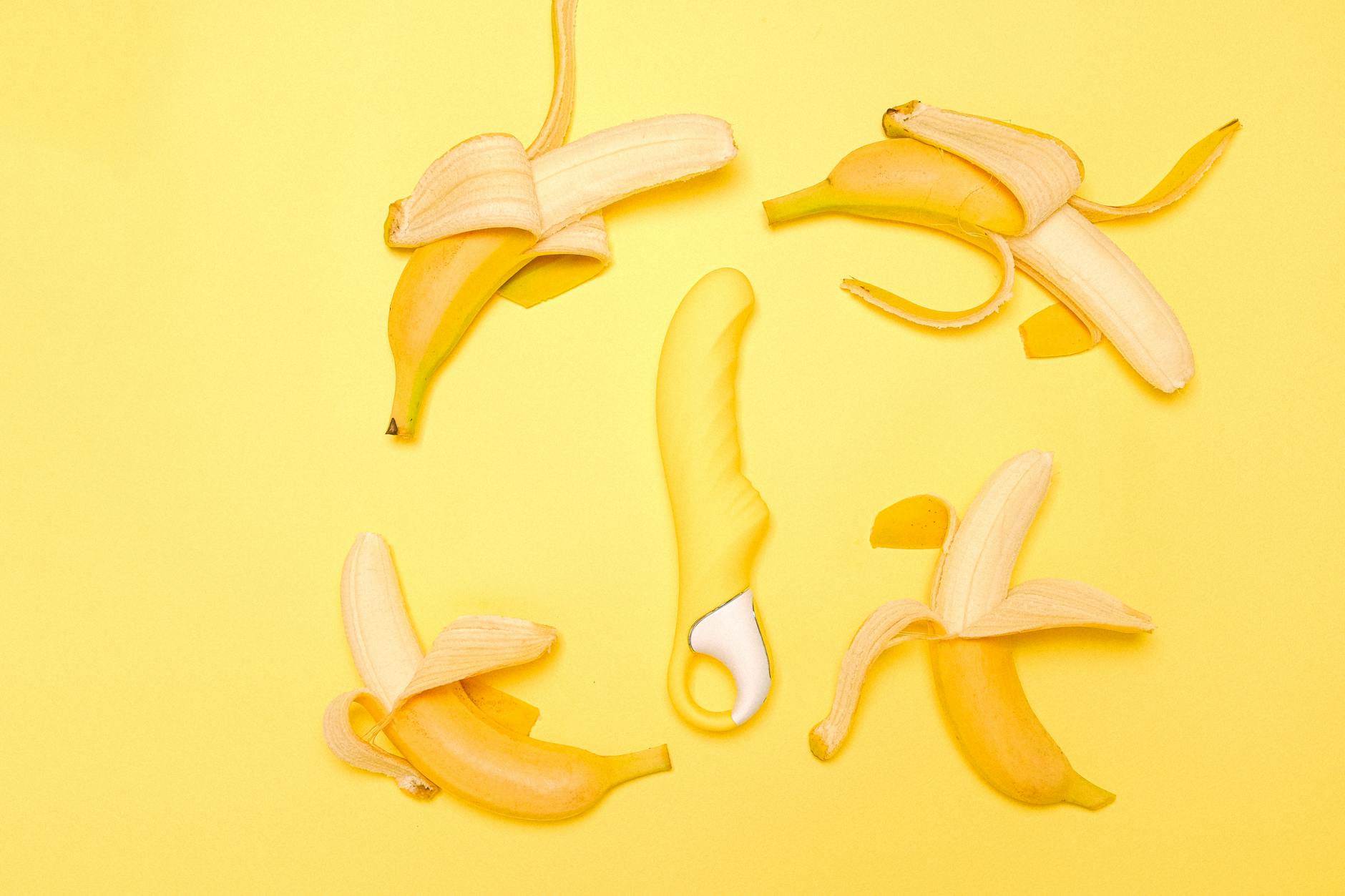
When desire disappears, it's not a flaw. It's a symptom.
Depression doesn't just affect your mood. It flattens pleasure at the neurological level. The same systems that process joy, connection, and sexual response all dim together. So when people come out of depression and suddenly feel their libido stirring again, the first instinct is relief. The second instinct, for many, is confusion. Your body wants something. But your mind feels afraid of it.
That fear is real. And it's treatable.
Why depression kills desire in the first place
Depression suppresses dopamine and serotonin. Both are essential for sexual arousal. Dopamine drives motivation and pleasure. Serotonin regulates mood and sensations. Without them, sex doesn't feel like pleasure. It feels like an obligation, or nothing at all. The neural pathways that normally light up during arousal stay dark. Your body doesn't respond the way it used to. You might not feel anything at all.
This is why "just try anyway" advice fails so completely. You can't willpower your way into desire when the neurochemistry isn't there. You're not broken. You're depressed.
But here's what matters: once depression lifts, those pathways wake up. Sometimes quickly. Sometimes gradually. And sometimes the reawakening feels disorienting.
The strange phase when desire returns but feels unsafe
Many of my clients describe this in similar ways. "I want it. But I also feel scared of it." Or: "My body is interested, but my mind isn't sure." Or the version that haunts people most: "I don't recognize what I'm feeling, and that scares me."
This happens for three reasons.
First, you've been without it. Depression often lasts months or years. Your body gets used to being shut down. When sensitivity returns, it can feel overwhelming or unfamiliar. The sensations themselves might be too intense, too quickly.
Second, you're rebuilding trust. Depression often arrives with shame attached. You might blame yourself for losing desire, or for the ways depression changed your relationships. Reconnecting with pleasure means forgiving yourself first. That's not easy work.
Third, you might be afraid it will trigger depression again. This is more common than anyone talks about. If pleasure and depression got tangled during your episode, your mind might now associate pleasure with the illness itself. The body remembers. It tries to protect you by staying shut down.
Why clitoral vibrators work differently in recovery
When you're rebuilding sensation after depression, you need a tool that works with your nervous system, not against it. This is where devices like the Lem make a real difference.
Air-suction clitoral vibrators stimulate differently than traditional vibrators. Instead of direct friction, they create a gentle suction rhythm that mimics oral sex. For people reawakening after depression, this matters. The sensation is focused but not aggressive. It builds gradually. You can control the intensity and the pace entirely.
This design means you can start at very low settings and slowly increase stimulation as comfort grows. You're not jumping straight into intensity. You're meeting your body where it actually is, not where you think it should be.
A practical roadmap for reconnecting safely
Four things I suggest to people rebuilding sexual wellness after depression.
Start with solo exploration, not partnered sex. If you have a partner, this might feel counterintuitive. But reconnecting with your own pleasure first is essential. You need to know what feels good without anyone else's needs in the room. You need to rebuild trust with your own body. That happens alone.
Set a low bar for your first session. Not "have an orgasm." Not even "feel aroused." Just "spend 15 minutes noticing what sensations exist." Notice warmth. Notice tingling. Notice what feels neutral or mildly pleasant. That's success. Your nervous system is healing. Pressure kills that work.
Use lubrication, even if you don't think you need it. Depression and trauma both reduce natural lubrication. After depression, your tissues might need extra moisture even if you feel aroused. It's not a sign something is wrong. It's a sign your body is coming back online. Use water-based lube. It helps sensation without the friction that can feel jarring.
Go slow with partners. If you're rebuilding sexual intimacy with someone, communication becomes non-negotiable. Tell your partner: "I'm reconnecting with my pleasure. That means we might move slowly. I might stop mid-way. I might need to pause." A good partner welcomes this. A partner who pressures you is showing you something important about whether this relationship supports your healing.
When to involve a therapist or doctor
If you're on antidepressants, talk to your prescriber about side effects. Many SSRIs and SNRIs suppress sexual response. Sometimes switching medications or adjusting timing helps. Sometimes adding another medication helps. This is a medical conversation, not something to power through alone.
If desire returns but fear doesn't fade after a few weeks of gentle exploration, a sex therapist is worth finding. The fear might not be about sensation at all. It might be about shame, past trauma, or unresolved stuff with your partner. A trained therapist can help untangle that.
If you start having sensations and they trigger anxiety or depressive thoughts, pause and talk to your mental health provider. You're not doing anything wrong. Your system might just need a slightly slower pace or additional support.
The difference between healing and forcing
Let's be clear about what rebuilding libido after depression is not. It's not getting back to "normal." It's not performing sexuality for anyone else. It's not ignoring genuine triggers or pushing through real discomfort.
Healing is: slow, voluntary, self-directed, and interrupted by pauses when you need them.
Forcing is: pressured, timeline-driven, focused on outcomes, and dismissive of discomfort.
If you find yourself in the forcing category, stop. You don't need a better toy. You need more permission to move at your own pace. You need a partner or therapist who gets this. You need to trust that your body will know what to do when it's actually ready.
When things start to feel good again
One of the most profound moments in my practice comes when a client says, "I had a real orgasm. I actually felt it." Not because they needed an orgasm to validate their recovery, but because their own nervous system came back online. The lights turned back on.
For some people, that happens fast. For others, it takes months. Both are normal. Both are healing.
When it does happen, don't rush past it. Notice it. Celebrate the fact that your body found its way home. That's not small. That's the opposite of depression. That's proof you're getting better.