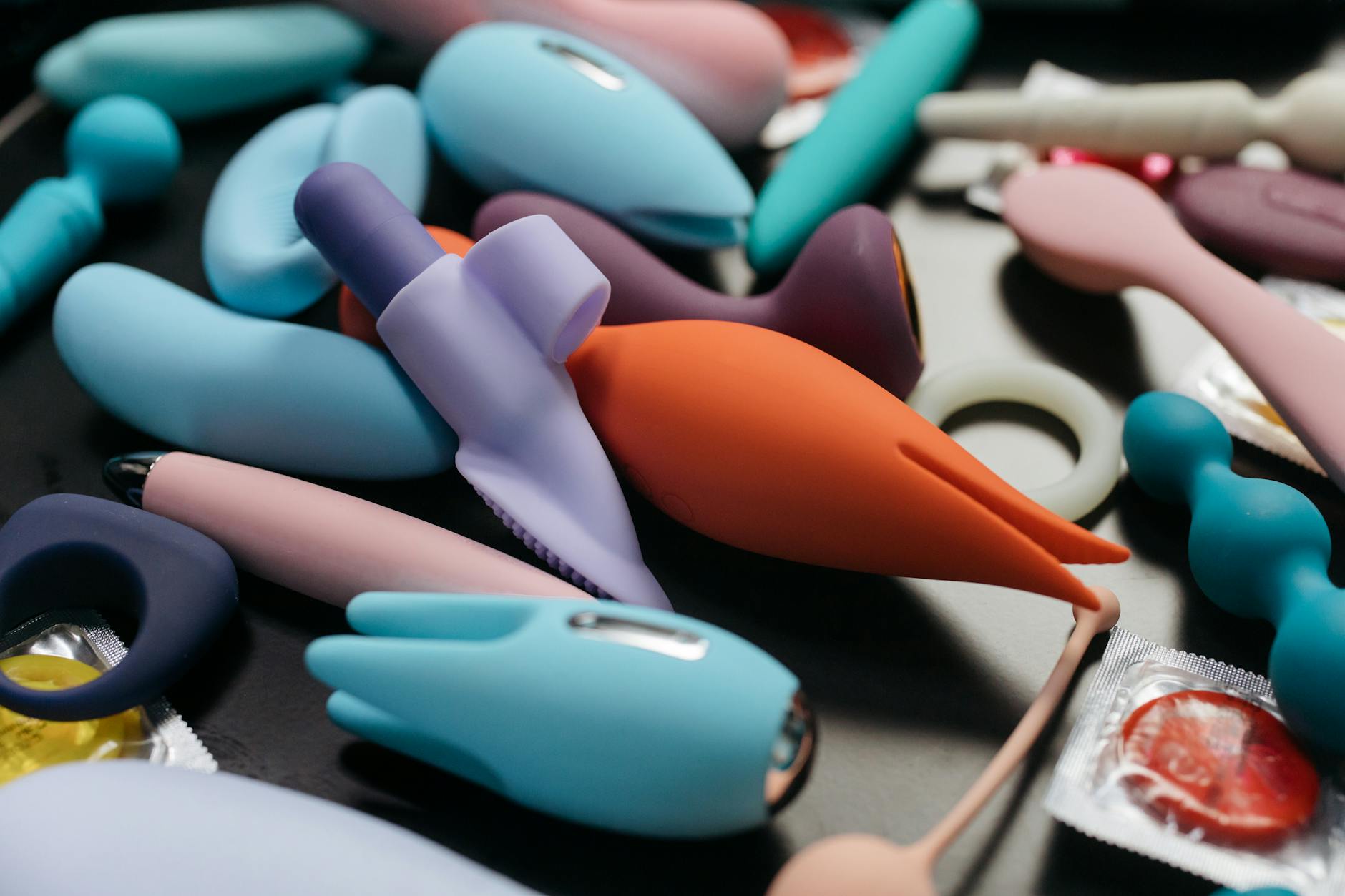
The thing no one tells you about pleasure avoidance
Years of stepping back from your own sensation creates a kind of learned nervousness. Your nervous system gets trained to expect that touching yourself, or being touched, will lead somewhere uncomfortable. So it guards. It contracts. It makes arousal feel risky.
The irony is brutal: the longer you avoid pleasure, the harder your body works to keep you safe from it. And you can't logic your way out of that. You can't tell your nervous system "actually, pleasure is fine now." It doesn't listen to reason.
What it does listen to is gentle, predictable sensation that feels controllable. That's where lemon clitoral vibrators change the conversation.
Why avoidance happens (and it's not what you think)
People avoid their own pleasure for a thousand different reasons. Sometimes it's residual shame from childhood or religion. Sometimes it's trauma. Sometimes it's a partner dynamic where your pleasure got sidelined so consistently that eventually you stopped reaching for it. Sometimes it's depression or medication that flattened everything, and when you came back, the habit of not touching yourself had already calcified.
The mechanism is the same regardless of the origin: your body learned that pleasure wasn't safe, wasn't yours to have, or wasn't worth the risk of disappointment. So it built walls.
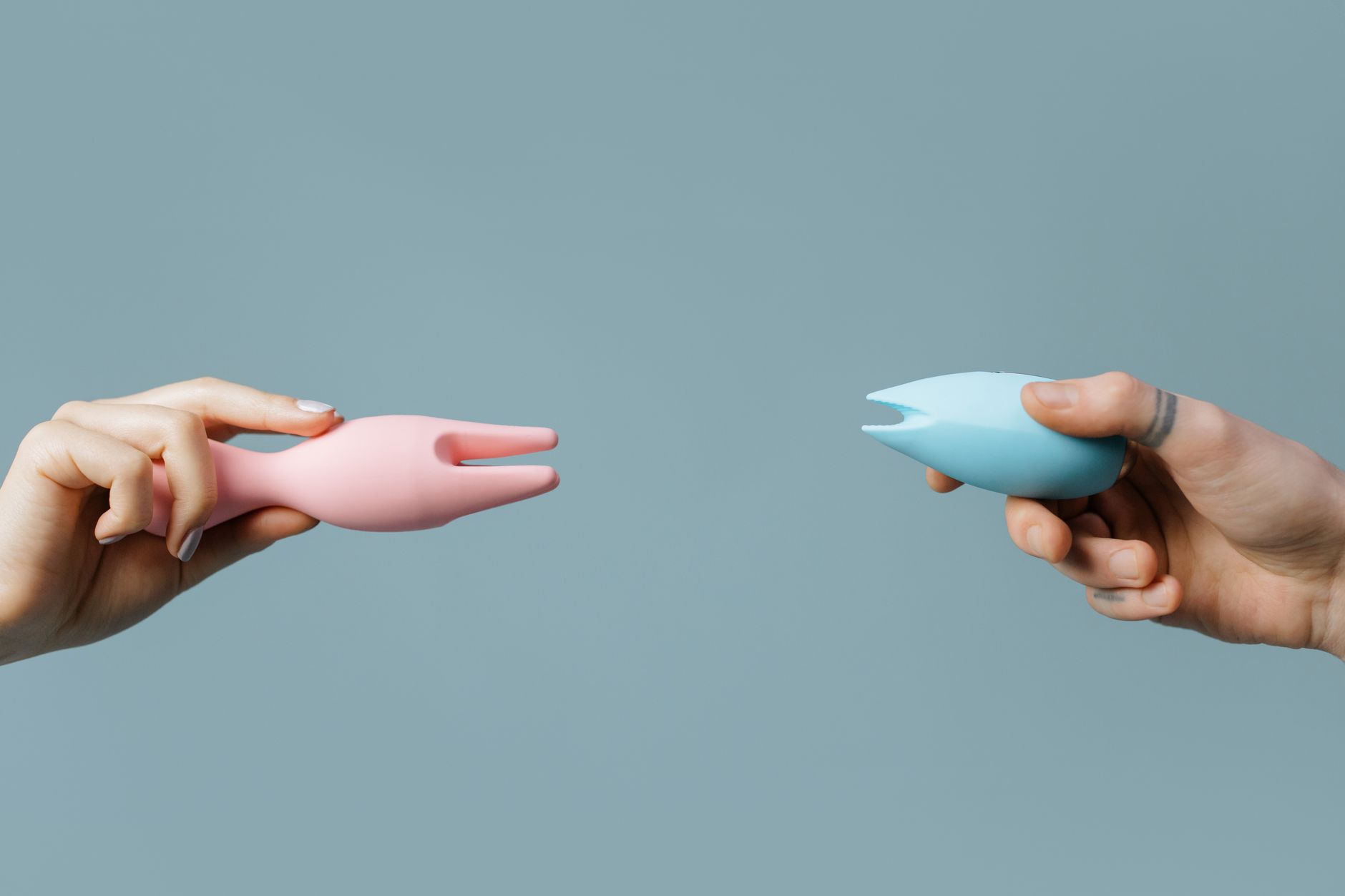
Photo by cottonbro studio on Pexels
The tricky part is that those walls feel protective until they don't. Until you want to touch yourself again, or want your partner to touch you, and you realize your own nervous system has become the obstacle.
What makes lemon vibrators different for rebuilding
Lemon clitoral vibrators work because they offer something traditional vibrators don't: control without performance. Here's why that matters.
When you're nervous about pleasure, touching yourself with fingers feels loaded. It means something. It's intentional, it requires commitment, and if you freeze up halfway through, you feel like you've failed. A partner touching you is even more fraught because now someone else is watching, waiting, hoping.
A lemon vibrator sits in the middle. It's a tool, not a person. It's specific to your clitoris, so you're not trying to build arousal from scratch. And because the sensation comes from the device, not from your own touch or your partner's, there's psychological permission to back away without shame.
You're not rejecting pleasure. You're just... pausing the device.
The air-pulse technology that makes lemon suction toys work is particularly good for this. Unlike traditional vibrations, which can feel aggressive or overstimulating when you're nervous, the gentle suction mimics natural stimulation. It's less intense at the entry point, which means your nervous system doesn't interpret it as threat. It feels more like exploration than performance.
The practical steps for starting over
If you've spent years avoiding your own sensation, here's how to come back gently using a lemon clitoral vibrator.
Start clothed. Seriously. Use the lemon vibrator over your underwear for the first few sessions. Feel the sensation without the psychological weight of "this means I'm doing sexual stuff now." You're just exploring how it feels. That framing makes a difference.
Pick a setting that feels safe. Most lemon vibrators have multiple intensity levels. Start at pattern 1 or 2. You're not trying to reach orgasm. You're teaching your nervous system that this sensation is okay.
Set a timer for five minutes. This is crucial. When you're rebuilding pleasure, having a boundary makes it feel less infinite and scary. Five minutes of gentle exploration, then you stop. No pressure to climax. No judgment if nothing happens. You're just spending time with sensation again.
Do this three or four times before you expect anything. Your nervous system needs repetition to unlearn its protective response. Each time you experience a lemon vibrator without pain or shame, the walls get a little softer.
Only move to longer sessions or higher intensities when it actually feels good. Not when you think it should feel good, but when it does. There's no timeline here.
Why your partner (if you have one) needs to understand this
One of the reasons people avoid pleasure is that it got tangled up with someone else's needs or expectations. If you're rebuilding, your partner needs to know that watching, waiting, or hoping you'll orgasm is the fastest way to kill what you're trying to do.
The lemon vibrator gives you something to offer: solo exploration that doesn't involve them. That's not rejection. That's you rebuilding your own relationship with sensation so that eventually, if you want to include them, you can do it from a place of choice, not obligation.
If your partner struggles with that, it might be worth naming what's actually happening. You're not avoiding them. You're reparenting your nervous system. Those are different things.
The nervous system piece is bigger than it looks
When you've spent years contracting away from pleasure, the walls you built aren't rational. They're somatic. They live in your body. A lemon vibrator can't rewire those walls alone, but it can create the conditions for your nervous system to update its information: sensation is safe, pleasure is available, and you get to decide how much you want.
That rewiring takes time. Weeks, maybe months. But each time you use the lemon vibrator without anxiety, without pressure, without shame, you're sending a new message to your body: this is what safety feels like.
Eventually, the walls don't need to be so high.
What changes over time
After you've spent a few weeks coming back to sensation gently, three things usually shift. First, touching yourself stops feeling loaded. It becomes just... something you can do. Second, your capacity for pleasure starts to rebuild. You might notice that sensations that felt dull or scary now feel interesting. Third, you get to choose what comes next. Maybe you want longer sessions. Maybe you want to involve a partner. Maybe you want to stay with solo exploration. You actually get to decide.
That choice is the whole point.
FAQ: Rebuilding pleasure after years of avoidance
Is it normal to feel anxious even with a lemon vibrator?
Completely normal. Your nervous system has been trained over years to protect you from pleasure. A lemon clitoral vibrator can't undo that training overnight. You might feel anxious, disconnected, or numb the first few times you use it. That's not a sign you're doing it wrong. It's a sign your nervous system is learning that this is actually safe. Keep going gently.
How long until I feel pleasure again?
It varies wildly depending on how long you avoided and why. Some people feel shifts in a few weeks. Others take months. The trap is expecting a timeline. Your body isn't on your schedule. Be patient with it the way you'd be patient with a friend who was rebuilding trust in someone. This takes time.
Can using a lemon vibrator make the anxiety worse?
It can if you push too hard, too fast, or if you use it while expecting something specific to happen. That's why the five-minute timer and the clothed sessions matter. You're teaching your nervous system that this is low-stakes exploration, not performance. Keep the stakes genuinely low and the anxiety usually decreases, not increases.
What if I want to involve my partner eventually?
Good instinct to build your own sensation first. Once you've spent a few weeks coming back to pleasure solo, and you feel less anxious, you can have a real conversation with your partner about what you want. Whether that's them watching, participating, or staying separate. The important part is that it's your choice, not their push.
Are lemon suction vibrators better than traditional vibrators for anxiety?
For a lot of people rebuilding from pleasure avoidance, yes. The suction mimics natural stimulation, so it feels less aggressive. But this is really individual. Some people find even the lemon vibrator too intense at first. That's okay. Start over underwear. Start at the lowest setting. There's no rush.
What if I'm still numb after a few weeks?
Numbness is common when you're first rebuilding. It usually means your nervous system is still protecting itself, or you might be pushing too hard. Back off. Shorter sessions. Even lower intensity. And consider whether something else is going on—depression, medication side effects, relationship stress. Sometimes the numbness isn't about avoidance. Sometimes it's about something else needing attention first. That's worth exploring with someone you trust.
The real work is trusting yourself again
Using a lemon vibrator isn't actually the work. It's the tool. The work is deciding, over and over again, that your pleasure matters enough to explore gently. That your body's nervousness makes sense, but it doesn't have to run the show forever. That you deserve to touch yourself without shame.
If you're stuck in a cycle of avoidance that feels bigger than this post, talking with a therapist who specializes in how to rebuild intimacy after years of disconnection can help. You don't have to do this alone.
But if you're ready to start small, a lemon clitoral vibrator and five minutes of gentle exploration is enough. Your nervous system will listen. You just have to be patient with it.