The shift nobody warns you about
You switched birth control methods. Or you stopped taking hormonal pills entirely. And suddenly arousal feels different. Maybe slower. Maybe numb. Maybe your usual moves don't land the same way they used to. This is not in your head, and it's not permanent. But it is real, and it matters.
Hormonal birth control shapes your neurochemistry in ways that reach far beyond pregnancy prevention. It changes how your brain responds to touch, how quickly blood flows to your genitals, and how intensely orgasms register. When that hormonal context shifts, your body needs time to recalibrate. Understanding what's happening physiologically makes it so much easier to work with your body instead of against it.
What birth control actually does to arousal
Hormonal contraceptives like pills, patches, and the hormonal IUD work by suppressing ovulation through steady doses of synthetic or bioidentical hormones. This creates a flattened hormone curve. Your estrogen and progesterone stay relatively constant all month. No surge, no dip. For some people, this steady state kills desire at the root. For others, the absence of PMS and period pain actually frees up mental space for pleasure.
When you switch methods or stop, your hormones swing back to their natural rhythm. If you were on pills for years, your body might take three to six months to fully readjust. During that transition, arousal sensitivity often dips. Your clitoris receives less blood flow initially. The vaginal tissue may feel less naturally lubricated. Your brain's reward circuits need time to recalibrate to the new hormone landscape.
Here's the important part: this is temporary. Your body will find equilibrium again. But during that window, you might feel like you've lost something you didn't realize you had.
Why air-pulse vibrators work better during transition periods
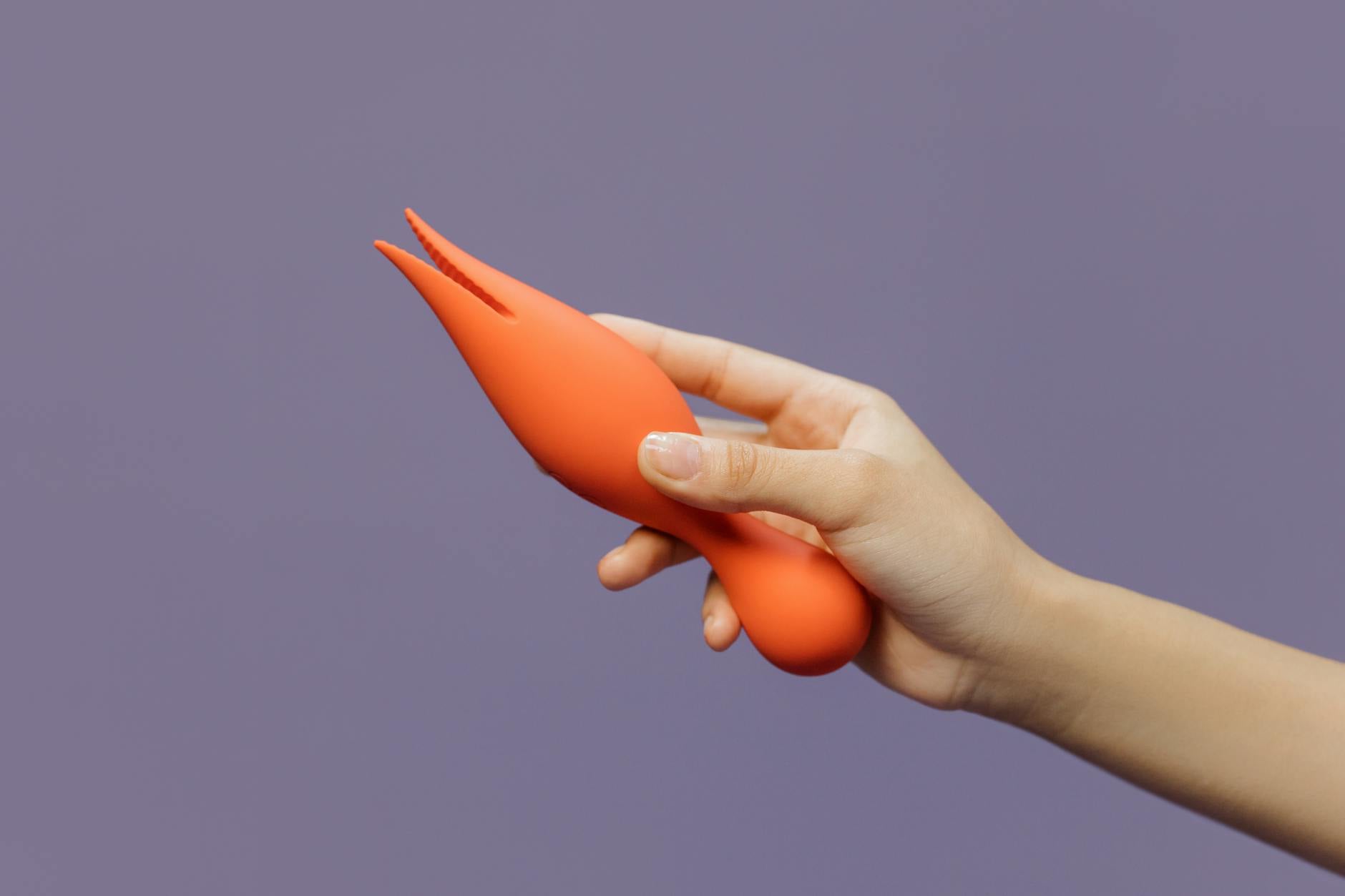
When arousal sensitivity is rebuilding, direct vibration on the clitoris can feel too intense, too buzzy, or weirdly numb at the same time. Air-pulse technology like the Lem works differently. Instead of traditional vibration, it uses gentle suction and pulsing waves that stimulate the entire clitoral complex, not just the exposed tip.
This matters during hormonal transitions because your clitoris contains thousands of nerve endings spread through tissue that extends into your body. When hormones shift, some of those nerves are quieter than usual. Air-pulse suction wakes up a wider network of sensation instead of hammering on the same overworked spot.
Many people find that lemon clitoral vibrators feel more pleasurable during birth control transitions because they don't demand instant arousal. You can start on a low setting and let sensation build slowly. The pulsing motion creates rhythm your body can sync with, rather than the relentless buzz of traditional vibrators that can feel aggressive when you're already sensitive.
Starting from scratch after hormonal changes
If pleasure feels distant right now, the first move is to stop expecting immediate results. Your body is not broken. It's recalibrating. Here's how to work with that.
Give yourself actual time. Budget 30 to 45 minutes for solo exploration. Not because you need to earn your orgasm, but because slow arousal is normal during this phase. Your blood vessels need time to respond. Your clitoris needs time to engorge with blood. Rushing amplifies the feeling that something is wrong.
Start with external touch only. Forget about penetration or complex sequences for now. Just your hand, a clitoral vibrator, and attention. Many people discover that during birth control transitions, their entire pleasure map shifts slightly. What used to feel incredible might feel different. New touches might feel amazing. You're not starting over. You're learning a new language for your own body.
Use layers of sensation. Apply water-based lubricant first. Then use your hands to warm the area and build basic arousal before you introduce the vibrator. Then start the vibrator on the lowest setting. Let your body guide when and if you want to increase intensity. This staged approach mirrors how arousal naturally builds instead of forcing a spike.
Notice what changed, specifically. Does your clitoris feel less sensitive or differently sensitive? Do you need more time to reach the edge? Does your orgasm feel shorter or flatter? Answering these questions helps you work with what's actually true instead of comparing yourself to your pre-birth-control baseline.
Pacing pleasure through the adjustment window
The temptation during hormonal transitions is to keep pushing until you get the result you remember. Bigger settings. Longer sessions. More intensity. This almost always backfires because it exhausts nerve endings that are already quieter than usual. You end up feeling more numb, not less.
Instead, think about this like retraining. You're teaching your body how to respond in a new hormonal context. That takes consistency and patience, not aggression. Use your Lem vibrator three to four times a week, not daily. Spend time on lower to medium settings. Notice what sensations start to appear. Pleasure often returns gradually, sometimes in unexpected ways.
Many people report that after a birth control transition, they discover a entirely new type of orgasm or sensation they never experienced before. This is genuinely common. Your hormones have shifted your nervous system slightly. That creates space for new pathways of pleasure.
When to reach out for support
If three to six months have passed and arousal still feels completely absent, or if you're experiencing pain, talk to a doctor. Some people need a different birth control method. Some need a brief course of topical estrogen to rebuild vaginal tissue while their hormones rebalance. Some discover that the method they chose wasn't right for their body, full stop. That's not failure. That's information.
A few birth control methods are known to tank libido more consistently than others, particularly certain progestin-only pills. If your arousal disappeared right when you started a new method, switching might actually be the answer. Don't white-knuckle through a method that doesn't work for you.
Building patience into the process
Here's the truth that nobody tells you about hormonal shifts: your brain is as important as your clitoris. During birth control transitions, a lot of the arousal dampening happens between your ears. You're anxious that something is wrong. You're comparing yourself to before. You're frustrated that pleasure isn't instant. All of that mental noise blocks the very sensation you're trying to access.
Using a clitoral vibrator during this time is not about forcing an orgasm. It's about creating space where sensation is allowed to exist without pressure. The Lem works well for this because it's designed for long, exploratory sessions, not quick results. You can use it as a tool for reconnecting with your body, learning what your post-birth-control body actually enjoys.
Most people find that pleasure fully returns once their hormones stabilize. That window usually closes between three and nine months, depending on the method and your individual body. Until then, a lemon clitoral vibrator becomes your partner in that exploration. Gentle. Consistent. Patient. Exactly what you need.
FAQ: Birth control and pleasure
Can birth control permanently change my arousal?
No. Once your hormones stabilize after stopping or switching birth control, arousal sensitivity typically returns to your baseline. Some people notice their baseline has shifted slightly, which is normal. Hormones touch nearly every system in your body. Expect adjustment, not permanent loss.
Does every birth control method kill sex drive equally?
No. Combination pills with estrogen and progestin affect people differently than progestin-only pills or copper IUDs. The copper IUD has zero hormones, so people often report increased libido after switching from hormonal methods. Hormonal IUDs typically affect arousal less than daily pills because they deliver lower systemic doses. If a particular method tanked your desire, a different one might not.
How long until I feel normal arousal again?
Typically three to six months, though some people rebalance in six to eight weeks. Your body is recalibrating neurotransmitters, hormone receptors, and blood flow patterns. That takes time. During the transition, using a lemon clitoral vibrator on low settings helps maintain nerve sensitivity without the frustration of chasing pleasure that isn't quite accessible yet.
Is it normal that my orgasms feel different now?
Completely normal. Your hormones influence clitoral engorgement, pelvic floor muscle tone, and how your brain processes sensations. When hormones shift, orgasm intensity and sensation can change. Some people report deeper, longer orgasms after transitions. Others find they're shorter and more localized. Both are normal. Your body is not broken.
Should I use lube with a Lem vibrator after birth control changes?
Yes. Even if you never needed it before, hormonal shifts often mean less natural lubrication initially. Water-based lube helps the suction technology work more effectively and prevents friction that can feel uncomfortable on already-sensitive tissue. It's not a sign you're broken. It's just biology adjusting.
Can I speed up my arousal recovery?
Consistency matters more than intensity. Using your lemon clitoral vibrator regularly on moderate settings, combined with stress reduction and patience, helps your nervous system recalibrate faster than pushing hard and then giving up. Your body learns through repetition, not force. Think of it like rebuilding a habit. Daily attention, low pressure, realistic expectations. That's the pathway back to pleasure that actually works.
Birth control transitions are temporary. Your arousal is not permanently altered. And tools like the Lem are designed precisely for these kinds of adjustments. Patient exploration during this window often leads to deeper knowledge of your own pleasure, which is something you'll carry forward long after your hormones have settled.