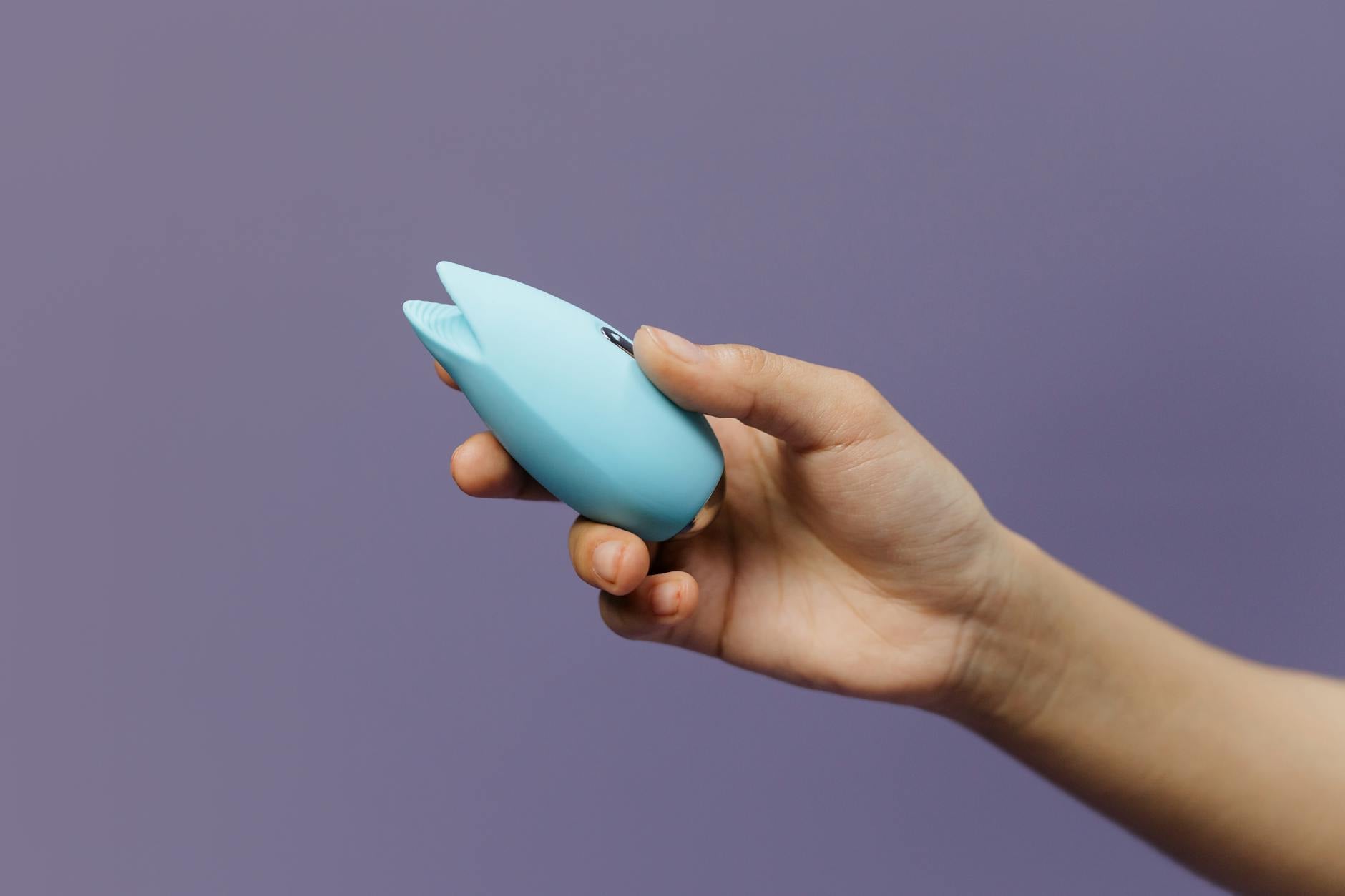
Let's talk about what nobody mentions in the recovery pamphlet
Your surgeon cleared you for sex. That's amazing. But "cleared for sex" and "ready to feel good" are not the same sentence. If you've had pelvic floor surgery—whether that's a sling procedure, pelvic floor repair, or prolapse surgery—you know the difference. Your body healed. Your pleasure? That needs a conversation.
Here's the reality: most people who've had pelvic floor surgery experience some combination of numbness, pressure sensitivity, or hesitation around sensation in the first 3-6 months after clearance. That's not a sign something went wrong. It's your nervous system recalibrating. The good news is that a lemon vibrator can help you rebuild sensation and pleasure in ways that feel safer and more gradual than jumping straight back to penetration or direct pressure.
Why recovery changes how pleasure works
During pelvic floor surgery, tissues get sutured, nerves experience trauma, and scar tissue forms as part of the healing process. Even after the surgeon says you're good, your body is still learning how to respond. Your clitoral nerves are there—they didn't go anywhere. But the pathway to pleasure got rerouted temporarily.
The suction mechanism on a lemon vibrator works differently than traditional vibration. Instead of direct pressure or buzzing, it uses gentle air-pulse technology that stimulates nerve endings without intense friction. For post-surgery bodies, this matters enormously. You get pleasure signal without overloading tissue that's still regaining sensitivity.
There's also a psychological layer. If penetration caused pain before surgery or if you're nervous about re-injury, external stimulation removes that variable entirely. You can explore sensation at your own pace without the mental load of monitoring discomfort.
The four-week return-to-pleasure timeline
Think of recovery as three overlapping phases. Each has a different relationship with lemon vibrators.
Weeks 1-2 after clearance: You're not using the Lem yet. This is observation phase. Notice how your body responds to touch. Can you feel your clitoris clearly? Is there numbness? Tingling? Hypersensitivity? These sensations are all normal and temporary. Keep a mental note.
Weeks 3-4: Start with the lowest setting (1 or 2 on the lemon vibrator). Spend 5-10 minutes just exploring sensation without pressure to orgasm. Think of it like relearning the landscape. You might feel nothing. You might feel everything at once. Both are fine. Stop if you feel sharp pain—dull pressure or mild discomfort is okay.
Weeks 5-6: If weeks 3-4 felt good, gradually increase time and intensity. Experiment with pattern 3 or 4. By now, you should be noticing clearer sensation. Many people report that orgasms return, but they feel different—sometimes more localized, sometimes slower to build.
Week 7 onward: You're in the integration phase. Pleasure is returning. You might add lube if tissues feel dry. You might explore with a partner. The lemon vibrator becomes part of your regular pleasure toolkit, not a recovery device.
Practical setup for safe exploration
Three things matter here: privacy, comfort, and no rush.
Clear your schedule. Not just 20 minutes—clear the mental load too. If you're thinking about work email or whether your partner is home soon, your nervous system won't settle into pleasure. Set 30-45 minutes aside. You won't need it all, but the permission helps.
Use water-based lubricant. Even if your tissue feels normal, post-surgery tissue is thinner and more fragile initially. A good water-based lube takes pressure off and makes the suction from a lemon vibrator feel richer. Silicone lube works too, but it's harder to clean off silicone toys.
Start with external touch only. Don't penetrate. The lemon clitoral vibrator isn't going inside you anyway—that's the point. Keep your focus on the vulva and clitoris. If you're partnered, have your partner in another room at first. Solo exploration lets you tune into your own signals without performing or managing anyone else's experience.
What you might feel (and what's normal)
Numbness is common for weeks 3-8 post-clearance. It doesn't mean sensation is gone forever. Your nervous system is healing. Some people describe it as a fuzzy feeling, like your clitoris is wrapped in cotton. That fuzziness typically clears as you use the Lem. Gentle stimulation actually helps rewake nerve endings.
Hypersensitivity is the opposite problem. Some people find that even the lowest setting on a lemon vibrator feels intense or almost electric. That's also healing. Try using the Lem through clothes at first, or at a distance (hovering near rather than touching). Your sensitivity will normalize as tissues continue to repair.
Orgasms might feel different—shallower, more intense, off-center, or delayed. This is temporary. Your body is building new pathways now that the surgical intervention is done. Give yourself permission for orgasms to evolve. After a few weeks, most people find their old pleasure returns, often better than before because they're so present with it.
Rebuilding with a partner
If you have a partner, have this conversation before you start: "I'm going to explore pleasure again slowly. I might feel nothing some days and everything other days. That's normal. I want to do this solo first." Most partners respect that boundary immediately. It's not about them.
Once you're a few weeks in and feeling confident, you can invite them in—but only as an observer, not a director. They hold the lube. They offer encouragement. They do not suggest intensity or timing. You control everything. For many couples, this actually deepens connection because it forces communication out of the bedroom and into genuine conversation.
If penetration was painful before surgery, don't rush back to it. Some people find that using the lemon vibrator for solo pleasure takes the pressure off penetrative sex entirely. Your body doesn't owe penetration to anyone, especially not while healing.
When pleasure doesn't return (and when to seek help)
By week 10-12 post-clearance, if you're using a lemon vibrator regularly and feeling absolutely nothing—no sensation, no arousal, no hint of orgasm—check in with your surgeon or a pelvic floor physical therapist. This isn't common, but it can happen if scar tissue is limiting nerve signals or if there's an unexpected complication.
It's also worth talking to a therapist if the surgery triggered trauma responses around your body or sexuality. Surgery is an invasion, even a necessary one. Sometimes pleasure doesn't return on a timeline because your nervous system is still in protection mode. Talking that through (with a therapist trained in sexual health) can unlock what the vibrator alone can't.
The bigger picture: pleasure isn't one-size-fits-all
Your post-surgery body is not your pre-surgery body, and that's okay. You might find that you need lube now when you didn't before. You might need longer warm-up. You might actually enjoy more external stimulation than you did in the past. None of these changes are failures. They're just data about what works for you now.
The lemon vibrator is a tool that works exceptionally well for post-surgery recovery because it's gentle, precise, and gives you full control. But it's also permission to stop chasing an idea of what pleasure "should" look like. Your body has just been through something significant. Pleasure coming back slowly, differently, or in completely new ways—that's not a problem. That's your nervous system healing.
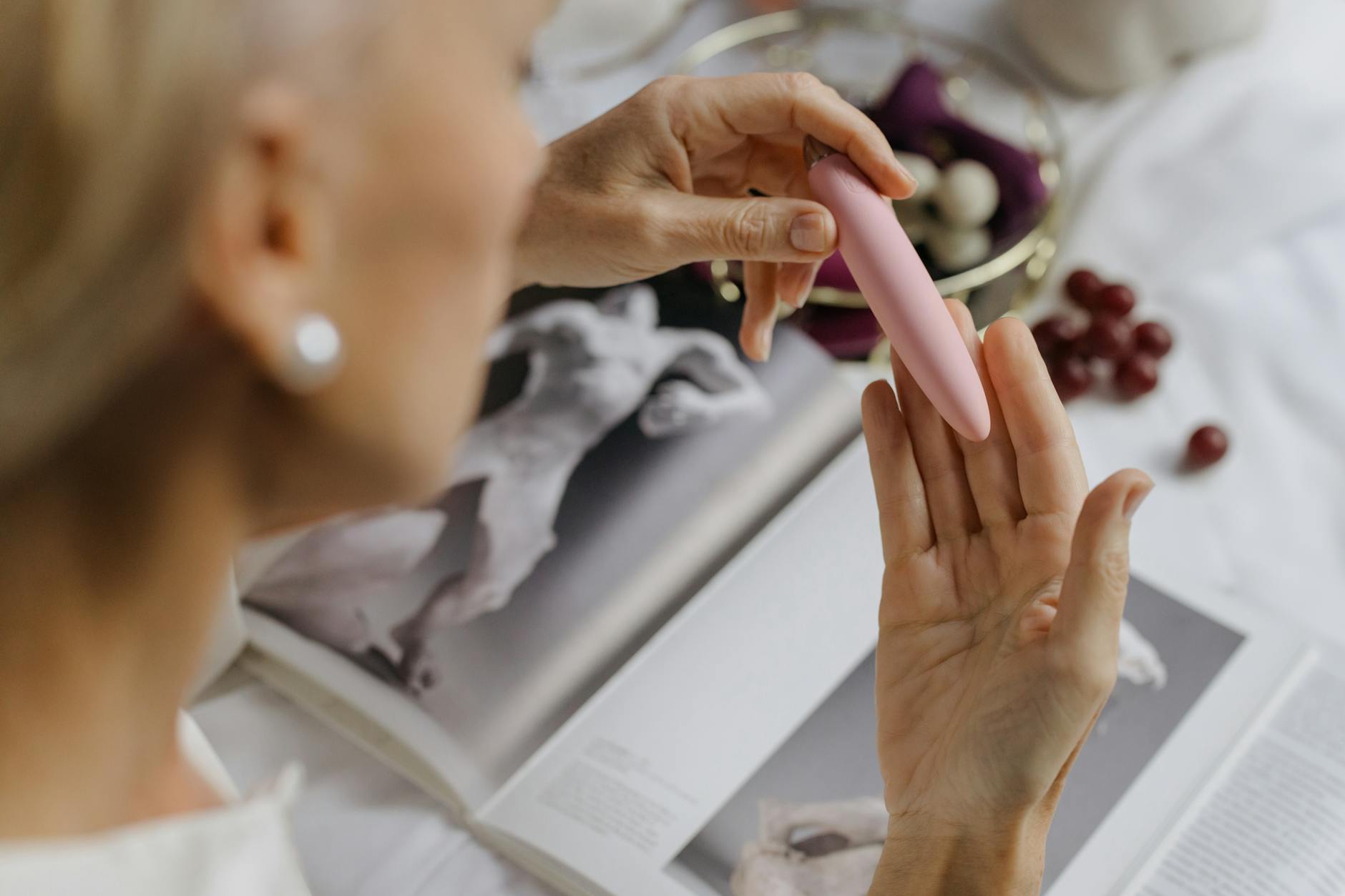
Photo by cottonbro studio on Pexels
FAQ: Pleasure after pelvic floor surgery
Can I use a lemon vibrator immediately after my surgeon clears me for sexual activity?
Not quite. Most surgeons clear you for sex at 6-8 weeks, but that means your tissue has structurally healed—not that sensation has returned. Wait another week or two before introducing a lemon vibrator. Spend that first post-clearance week exploring sensation with just your hands. Once you have a baseline of how your body feels, the lemon vibrator becomes a helpful tool for gradually rebuilding pleasure.
Will using a lemon clitoral vibrator cause damage to my surgical repair?
No. A lemon vibrator applies gentle, external stimulation to the clitoris and vulva. It's not entering the surgical site. As long as you're using water-based lube, keeping pressure light in early recovery, and stopping if you feel sharp pain, there's zero risk to your repair. In fact, gentle stimulation helps rewake nerve endings.
What if I feel numbness when I use the Lem—does that mean the surgery went wrong?
Numbing or a fuzzy sensation is one of the most common post-surgery experiences and it's almost always temporary. Your surgical repair is fine. What you're experiencing is your nervous system in a healing state. The numbness typically resolves over 4-8 weeks with gentle, regular stimulation. It's actually a sign that using the lemon vibrator is helpful—you're gently nudging your nerves back online.
Should I use lube with a lemon vibrator after pelvic floor surgery?
Yes. Post-surgery tissue is thinner and more delicate initially. Water-based lubricant reduces friction and makes the suction sensation from a lemon vibrator feel smoother. It also protects tissue that's still in the early stages of regaining full thickness. Apply a small amount before you start, and reapply if things feel dry.
Can my partner use a lemon vibrator on me while I'm recovering from pelvic floor surgery?
Yes, but only after you've used it solo first and you're confident about intensity and sensation. Your nervous system needs to relearn pleasure in isolation before adding another person's presence. Once you're ready, your partner can absolutely help—but you control the settings, pressure, and pacing. This is about your body, your timeline, your pleasure.
How do I know if I'm pushing too hard during recovery?
Sharp, shooting, or stabbing pain is a stop sign. Mild pressure, dull ache, or stretching sensation is usually fine and part of healing. If you're unsure, start even gentler than you think you need to. There's no prize for aggressive recovery. Slow progress is the only sustainable kind.
Your pleasure matters during recovery
Pelvic floor surgery saves your continence and your comfort. But it can feel like it steals your sexuality—at least temporarily. That's where tools like the lemon vibrator come in. It's not about "getting back to normal." It's about rediscovering pleasure in a body that's newly healed and newly learning what feels good.
Take your time. Listen to your body. Use a gentle tool designed for sensitivity. And trust that pleasure returns—often richer than before because you're so present with it.
If you need personalized guidance or are struggling with post-surgery intimacy, reach out to a pelvic floor physical therapist or relationship coach who specializes in sexual health. You don't have to figure this out alone. For general questions about your body and the recovery process, check out our comprehensive FAQs.