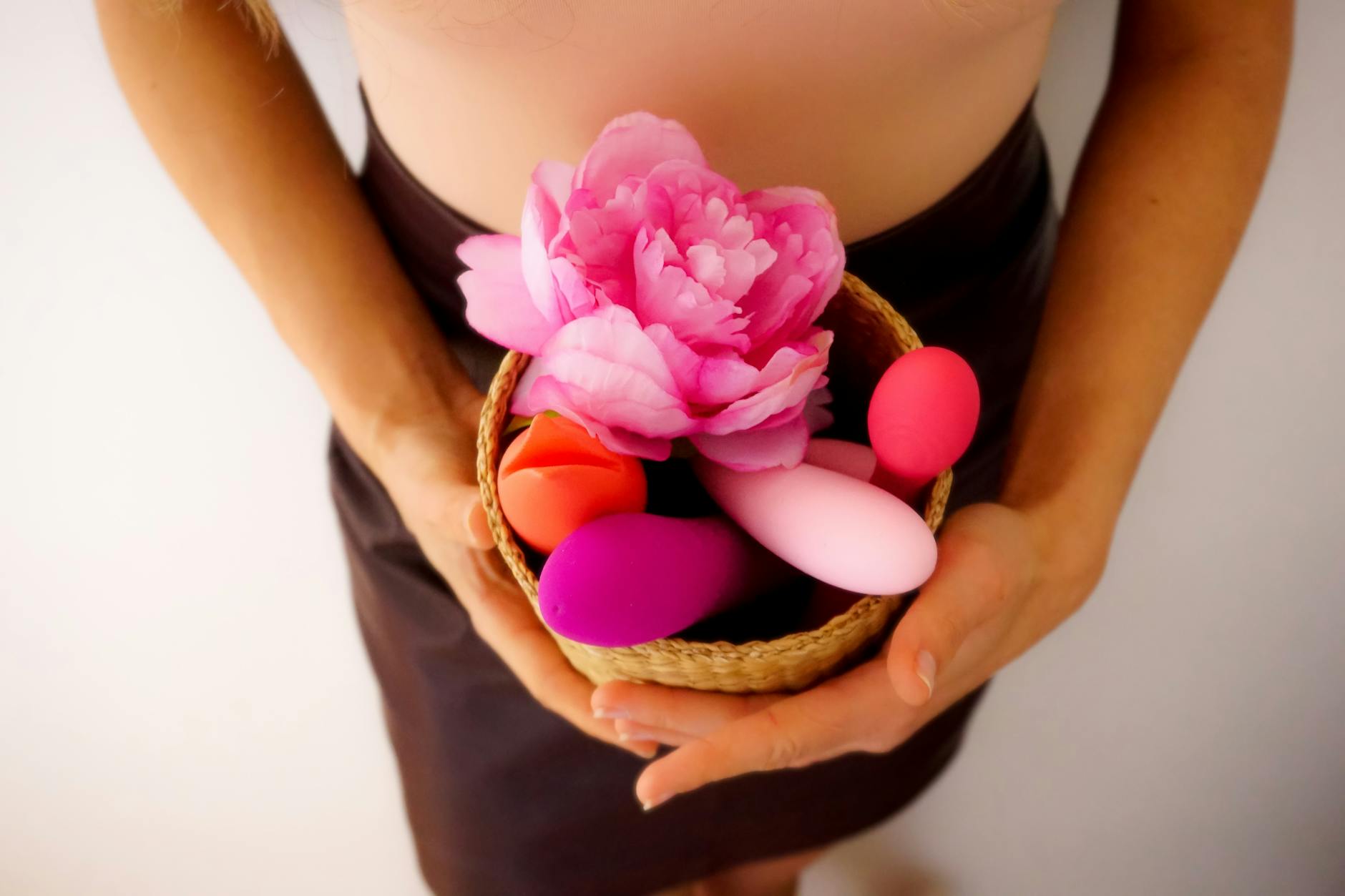
Let's talk about the stuff nobody mentions
Serious illness interrupts more than just your body's timeline. It interrupts touch, anticipation, and the familiar rhythm of desire. When you're cleared to return to sex, you're often not cleared for the emotional and physical recalibration that actually needs to happen first. Your partner might be relieved you're "better." You might feel relieved too. But relief and readiness are not the same thing.
The gap between "medically cleared" and "actually ready" is where most couples stumble.
Why returning to intimacy feels like starting over
Your nervous system has been in survival mode. Whether you've weathered major surgery, a hospitalization, chronic pain flare, or months of treatment, your body learned to prioritize healing over pleasure. That's not a failure. That's actually how you survived.
But survival mode doesn't flip off like a switch. Your nervous system needs evidence that it's safe to relax again. That safety doesn't come from willpower or from your partner saying "we can try." It comes from slow, controlled experiences where pleasure builds gradually and you stay in control the whole time.
This is exactly where lemon vibrators, especially air-pulse models like the Lem, become useful. They're not about rushing back to "normal." They're about rebuilding sensation on your own terms.
Three things that shift when you come back from illness
1. Sensation sensitivity changes. Your body may be hypersensitive to touch (especially if you've had pain), or it may feel weirdly numb (especially after medications wear off). Both are normal. Air-pulse stimulation works well here because it's a different type of sensation than direct friction. It feels gentler, more diffuse, and you can control intensity without that intensity meaning pressure against your skin.
2. Arousal happens slower. You're not broken. Your body has been in parasympathetic (rest) mode. Shifting to arousal (sympathetic activation) takes time. Budget 20-30 minutes just to warm up, even if that wasn't true before. Lemon clitoral vibrators let you extend that warm-up without fatigue. You're not doing the work. The toy is.
3. Mental safety matters more than physical readiness. You can be physically healed and still carrying anxiety about re-injury, or grief about time lost, or resentment about how your partner showed up (or didn't). This isn't something a vibrator fixes, but it's something that makes a vibrator either helpful or frustrating. If you're using lemon sexual toys to avoid talking about the elephant in the room, you'll both feel it.
How to actually use a lemon clitoral vibrator when returning to sex
Start solo, full stop.
Your first experiences should be alone, or at least with your partner present but not directly involved. This isn't rejection. This is you gathering evidence that pleasure is possible again. You need to know this independently before you bring someone else into the equation.
Begin with the lowest setting. The Lem has gentle patterns at the lower end specifically because some people need to rebuild their relationship with sensation. Set aside 15-20 minutes with no goal except exploration. Let your body surprise you.
Lubrication matters even when you don't think it will.
Illness and medications often dry tissue, even after you've "recovered." Water-based lubricant isn't a sign something's wrong. It's a tool that makes pleasure accessible. Use it generously. You might find that sensation returns faster when you're not fighting friction.
Work up to partner involvement slowly.
When you're ready to include your partner, start with them watching while you use your lemon vibrator alone. This sounds awkward. It's usually the opposite. It lets your partner see that you're capable of pleasure again. It gives them permission to relax. Then, gradually, you can invite them to touch you elsewhere while you use the vibrator, or to be present in other ways.
The goal isn't immediate partnered sex. The goal is rebuilding the belief that you can share pleasure together without it being a performance or a test.
What gets in the way (and how to untangle it)
Most people returning from illness hit one of three walls.
Wall One: Grief.
You lost time. Your body doesn't feel like yours. You're angry that this is harder than it should be. These are legitimate feelings. Don't try to use lemon adult toys to bypass them. Instead, use them as a container for recovery. "I'm using this vibrator to reclaim pleasure" is a different internal story than "I should be fine by now."
Wall Two: Pressure from a partner.
Your partner has also been through something. They might want to reconnect urgently. This can feel like they're pushing you. It usually means they're scared. Separate the two conversations. "I want us close again" is different from "I'm ready to be touched intensely." A clitoral vibrator lets you say yes to one without committing to the other.
Wall Three: Your own impatience.
You want to feel normal. You don't. You try to force it. Lemon vibrators can enable this. You can use a vibrator roughly, quickly, trying to prove something to yourself. That usually just creates tension. Slow down. Set a timer. Give yourself permission for it to feel different.
The physical adjustments that help rebuild
Four practical things I recommend to clients returning from serious illness.
Build pelvic floor awareness before intensity. After surgery or long periods of immobility, your pelvic floor muscles either weaken or tighten defensively. Spend a week just noticing your pelvic floor. Breathe into it. Then, when you use your lemon sucker or vibrator, notice whether you're gripping or relaxing. You want to relax.
Extend your warm-up timeline. If you used to enjoy 10 minutes of foreplay, try 25. The Lem lets you control pace without fatigue. Use it to build arousal gradually. Rushing teaches your nervous system that pleasure is urgent. That's the opposite of what you need.
Track sensation without judgment. Keep a quiet note of what feels good, what feels overwhelming, what's numb. This isn't diagnosis. It's data. Patterns emerge. You learn what your body needs in this chapter of its life.
Use lube as a ritual, not a Band-Aid. The act of applying lubricant can be grounding. It signals to your nervous system that you're tending to yourself. Make it part of the experience, not something to hide or apologize for.
When to bring a professional back in
If pain arrives during or after pleasure, don't wait. Tell your doctor. Sometimes inflammation returns, sometimes scar tissue needs attention. A pelvic floor physical therapist can be transformative here, especially if you're experiencing tension or avoidance patterns.
If desire remains completely absent after three months of gentle exploration, talk to your doctor about hormonal changes or medication side effects. Some conditions genuinely shift your neurochemistry. That's treatable.
If resentment between you and your partner is blocking intimacy, a couples therapist can help you untangle what belongs to the illness and what belongs to the relationship. Lemon vibrators are tools for pleasure. They're not tools for repair.
A note on timeline
Some people return to baseline pleasure in weeks. Some take months. Some find that pleasure reshapes itself into something different, and better. There's no "correct" timeline. The only timeline that matters is yours.
Using a lemon clitoral vibrator during recovery isn't about rushing back to where you were. It's about meeting yourself where you are and learning that pleasure is possible again. That evidence matters more than speed.
Frequently asked questions
How soon after clearing from a serious illness can I use a clitoral vibrator?
Physically cleared and vibrator-ready are different things. If your doctor cleared you for "normal activity," that usually includes sexual activity. But many people need two to four weeks after clearance before they're actually ready mentally and emotionally. There's no harm in waiting. Start when you feel curious, not when you feel obligated.
What if I feel nothing when using a lemon vibrator during recovery?
Numbing after illness is common. Your nervous system may still be in protection mode, or medications might dull sensation. Give it time. Numbness often shifts once you give your body a few experiences of safety. If numbness persists beyond three months, check with your doctor about hormone levels or nerve function.
Can I use a lemon sexual toy if I'm still taking pain medication?
Yes, but start low. Pain medication and other drugs can affect sensation and arousal. Lower settings on lemon vibrators give you more feedback without overwhelming your system. You might find you need a few more minutes to build arousal, which is fine.
Should I tell my partner I'm using a vibrator if they don't know?
That depends on your relationship. If you've always been private about solo pleasure, that boundary stands. If you usually share, this is worth mentioning simply because your partner might worry they're not enough. Framing helps: "I'm rebuilding my relationship with my own body." That's true, and it's not about them.
What if my partner wants to use a lemon clitoral vibrator on me but I'm not ready?
You don't have to be ready just because they are. Your body gets to set the pace. It's okay to say "I want to explore this alone first" or "I'm not there yet." Boundaries during recovery aren't rejection. They're the structure that makes return to intimacy actually work.
Does using a vibrator mean I'm replacing my partner?
No. A vibrator is a tool for rebuilding your own pleasure. That's separate from partnership. Many couples find that one partner using a vibrator while the other touches them elsewhere creates a new form of connection. Or solo exploration creates confidence that then transfers to partnered sex. The vibrator isn't a replacement. It's a bridge.
Final thought
Coming back from serious illness is its own form of bravery. It requires you to trust your body again when your body has let you down. A lemon vibrator, or any clitoral vibrator, is just equipment. But equipment that's designed thoughtfully and used with patience can be the difference between forcing yourself back and genuinely returning. That distinction is everything.