Here's what nobody tells you about weakening orgasms
Your orgasm used to be reliably intense. A full-body experience. Now it's flatter, shorter, less satisfying. You finish and think, "That's it?" instead of feeling genuinely sated. Between you and me, this is one of the most common concerns I hear in my practice, and almost nobody talks about it openly because we're taught to assume orgasms are either good or broken, with no middle ground.
They're not. Orgasm intensity fluctuates. It changes with age, stress, medication, relationship dynamics, and plain old nervous system fatigue. The shift is real, and it's almost always fixable.
What actually makes orgasms feel less intense
Your nervous system has two lanes: sympathetic (fight-or-flight) and parasympathetic (rest-and-digest). Orgasm lives in the parasympathetic lane. When your nervous system is chronically activated by stress, work, family demands, or even low-grade anxiety about sex itself, your parasympathetic response gets quieter. That translates directly to duller orgasms.
Medications matter too. Antidepressants, blood pressure meds, and hormonal birth control can dampen orgasmic response. Age brings changes in blood flow and nerve sensitivity. Years of the same stimulation pattern can also blunt sensation. Your brain adapts to familiar input and stops responding with the same intensity.
Here's what's important: none of this means your capacity for pleasure has vanished. It means the current stimulus or current context isn't reaching the threshold you need anymore.
Why clitoral vibrators work differently than your fingers alone
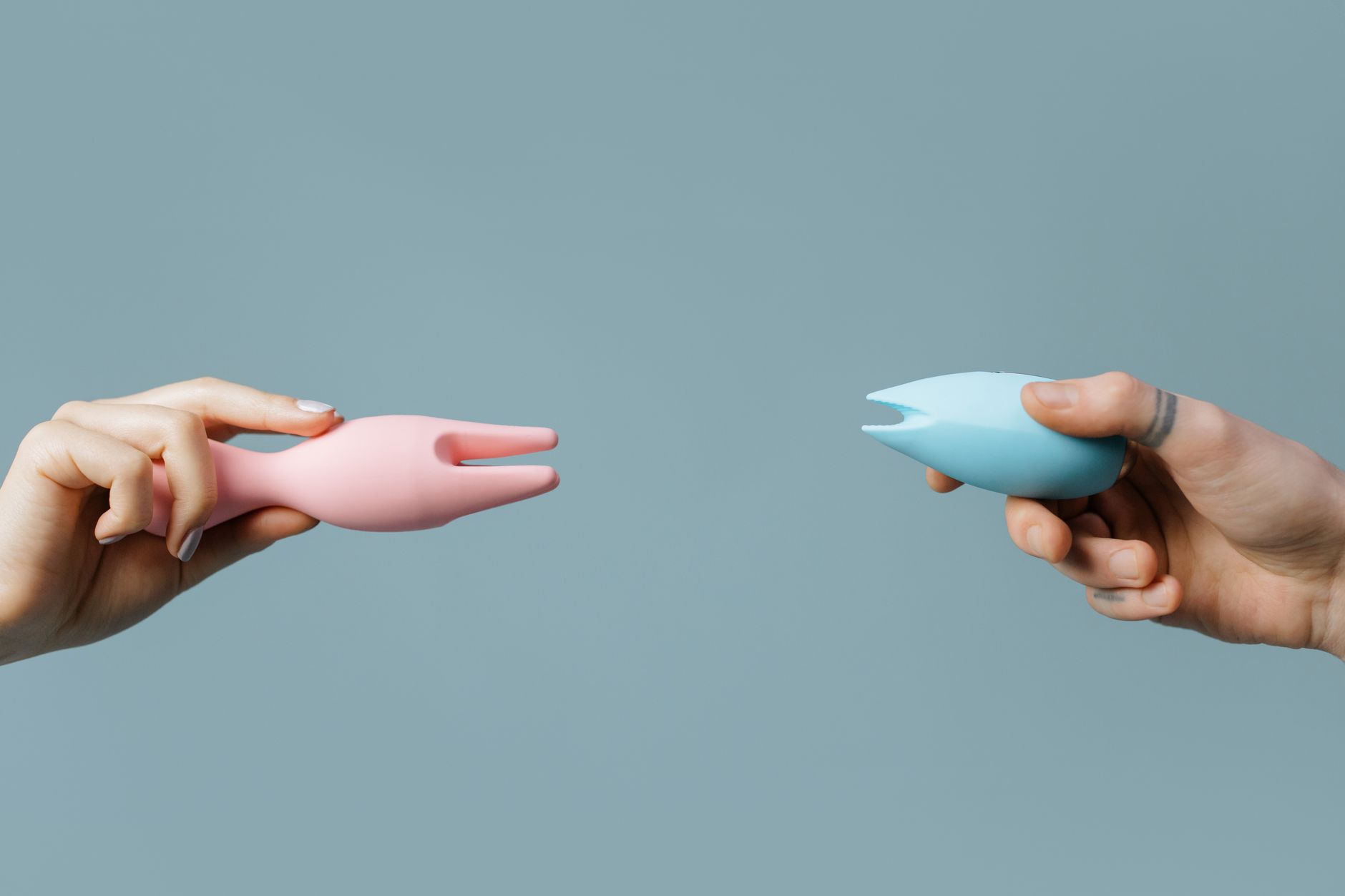
A vibrator like the Lem uses air-pulse technology to create consistent, rapid stimulation that your hand simply can't replicate. Your fingers get tired, vary in pressure, and rely on your own muscle strength. A clitoral vibrator delivers thousands of micro-pulses per minute at exactly the same intensity, which your nervous system can actually detect and respond to.
This matters when your orgasmic threshold has risen. If you've been masturbating the same way for years, your nerves have learned that pattern and started filtering it out. A different sensation, delivered with mechanical consistency, wakes your nervous system back up.
The Lem's suction design is particularly useful here because it stimulates without direct friction. If you've been relying on pressure and speed, the gentler suction approach creates a completely new sensation pathway, which can trigger a more intense response than you'd expect.
The preparation phase everyone skips
Weaker orgasms often happen because people skip the longest part of the journey. When sensation feels flat, the instinct is to rush toward the finish line faster. That backfires. You need longer, slower warm-up time.
Start 20-30 minutes before you want to reach orgasm, not 5 minutes. Use your vibrator on the lowest settings first. Let your nervous system settle into the parasympathetic state. This isn't about forcing arousal. It's about creating the conditions where your body can actually respond.
Many people report that their first few sessions with a clitoral vibrator feel "meh" because they're rushing. By session three or four, when they've given themselves permission to spend time, the intensity returns dramatically.
How to use your lemon vibrator for rebuilding sensation
Start with the Lem on pattern one or two, even if that feels too gentle. Spend 10-15 minutes there, letting your body remember what full arousal feels like. Don't have an agenda about reaching orgasm. The goal here is sensation, not climax.
Once you feel genuinely aroused (not just mentally interested, but physically responding), you can increase intensity. But here's the key: increase slowly. Move from pattern two to three, not from two to five. Your nervous system needs to rebuild its sensitivity gradually.
Many people find that varying the pattern during a session helps. Start soft, build to medium, pull back to soft again. This rhythm actually creates more intense orgasms than a straight climb to maximum intensity because it gives your nervous system time to recalibrate.
If you're with a partner, involving them changes everything. Having someone else control the vibrator, or simply being present while you use it, shifts your nervous system state. The security of being watched or touched creates a parasympathetic environment that solo sessions sometimes can't. This isn't about their stimulation. It's about their presence.
The medication and stress conversation
If your orgasm intensity dropped suddenly after starting a new medication, talk to your prescriber. There are often alternatives. Switching from sertraline to bupropion, for example, sometimes restores orgasmic response that SSRIs dulled.
With stress, there's no pill. But there are practices. Breathwork, yoga, therapy, massage, meditation, or simply reducing your actual workload all help restore parasympathetic tone. You can't think your way into stronger orgasms, but you can breathe your way there. Slow exhales especially signal safety to your nervous system.
The combination of nervous system work plus a different sensation (like a lemon vibrator) is more powerful than either alone. You're addressing both the context and the stimulus.
When to check in with a professional
If orgasm intensity has disappeared entirely, not just weakened, that's worth exploring with a sex therapist or gynecologist. Complete anorgasmia sometimes points to something that needs specific intervention. But decreasing intensity is almost always manageable with the adjustments I've outlined.
If you're in a relationship and this shift is causing tension, a couples therapist can help you both understand what's happening and how to approach it together. Often the real issue isn't the orgasm itself. It's that one partner thinks the other has stopped wanting them, when really the issue is neurological or situational.
The rebuilt sensation often feels even better
I've worked with many people who rediscovered orgasm intensity through this process, and they describe it as different from their younger years. Not weaker, not stronger. Different. More localized sometimes. More emotional. Occasionally more satisfying because they earned it through attention and patience instead of taking it for granted.
Your body hasn't betrayed you. It's just asking for something different. That might be a vibrator. It might be slower time. It might be less stress or a medication adjustment or your partner's hand on your shoulder while you finish. Usually it's a combination. But the intensity you remember? It's retrievable.
FAQ
Can a lemon vibrator strengthen orgasms that medication has weakened?
A clitoral vibrator can absolutely help by providing a new, consistent stimulus that your nervous system responds to more readily than your old pattern. However, if a specific medication is the primary culprit, that's worth discussing with your prescriber first. Sometimes a dose adjustment or medication switch is the real solution. A vibrator often helps most when you combine it with addressing the root cause.
How long does it usually take to feel stronger orgasms again?
Many people notice a shift within 3-5 sessions, but the real difference shows up over 2-3 weeks of consistent practice. Your nervous system doesn't recalibrate overnight. Think of it like retraining a muscle. The improvement compounds as you go.
Is a suction vibrator better than a traditional vibrator for weak orgasms?
Suction-based stimulation like the Lem works especially well because it provides a completely different sensation than pressure-based vibration. If your body has adapted to one type of stimulation, switching to suction can wake up your sensitivity. That said, different bodies respond to different tools. Some people rebuild sensation faster with a wand. Some with the Lem. The key is trying something distinctly different from what you've been doing.
What if I'm using a vibrator but orgasms still feel flat?
First, check your setup. Are you giving yourself adequate time to warm up? Are you in a relaxed, private space where your nervous system feels safe? Sometimes the technical fix isn't the vibrator itself but the conditions around using it. Second, consider whether stress or a life circumstance is the real bottleneck. A vibrator amplifies what's already there. It can't generate arousal from nothing. If stress is sky-high, that needs addressing in parallel.
Can rebuilding orgasm sensation with a vibrator affect partnered sex?
Yes, usually positively. When you understand what your body needs and you've practiced accessing stronger sensation solo, you can communicate that more clearly to a partner. Many people find that the confidence from solo sessions translates into more satisfying partnered experiences. You're not dependent on your partner's effort matching your sensations. You're directing your own experience, and they're part of it.
Is it normal for orgasms to feel different at different life stages?
Completely normal. Your orgasmic response is tied to your nervous system, your hormones, your stress levels, your relationship, your health, and honestly, what day it is. Rather than expecting consistency, expect variation and work with what you're experiencing right now. That flexibility is actually a strength.