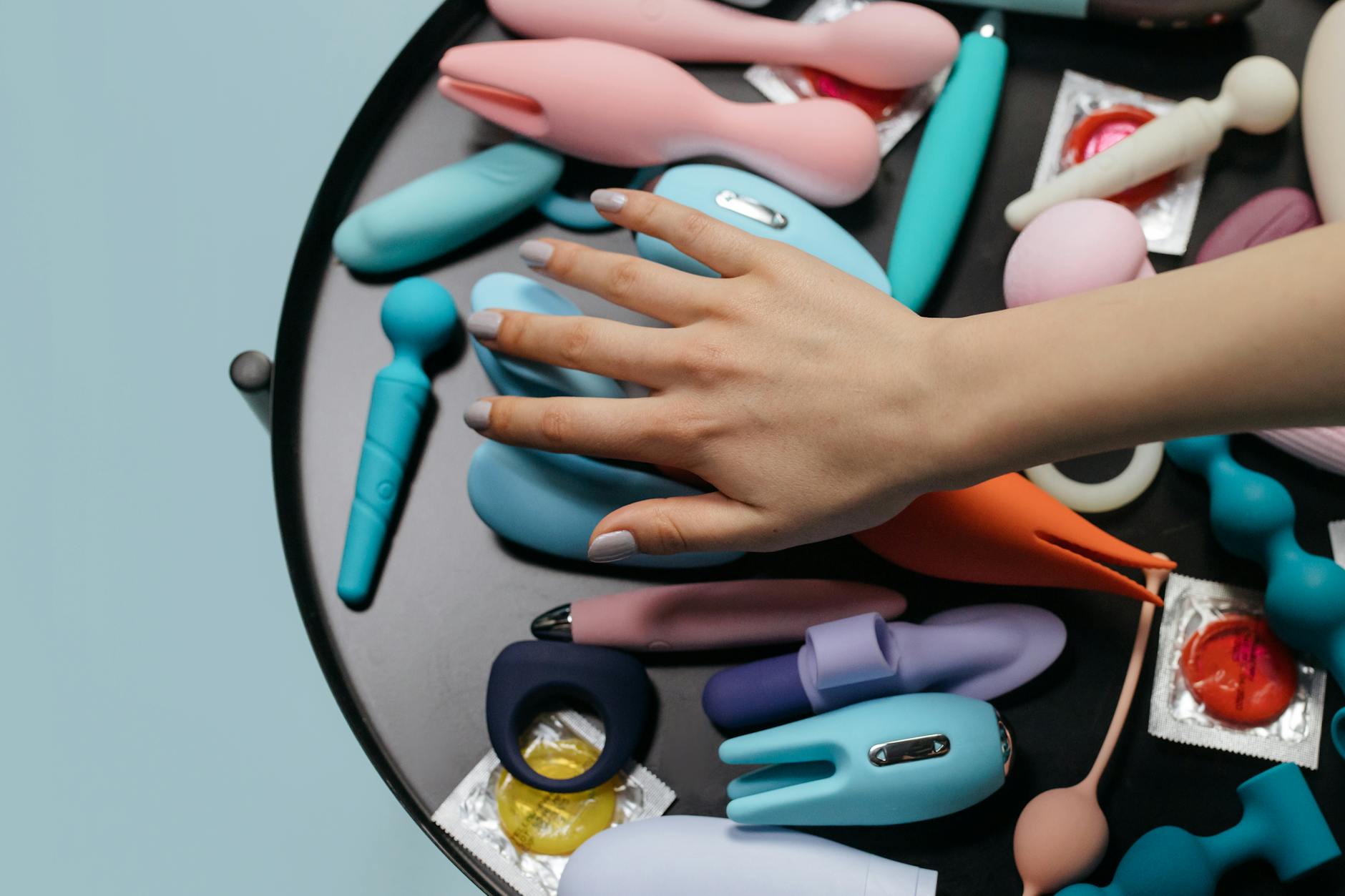
When penetration isn't an option yet
Let's be real: recovery from childbirth, surgery, injury, or infection can mean weeks or months where penetration feels bad, uncomfortable, or completely off the table. The temptation is to assume that means your sex life is paused until you get the all-clear from your doctor.
That's not how this works. Clitoral pleasure operates on a completely separate system from penetration. The nerves, tissues, and arousal pathways are different. A lemon vibrator like the Lem works because it focuses entirely on external stimulation, which means you can often return to orgasm and sensation far earlier than penetration becomes available again.
Why clitoral vibrators are the recovery tool nobody talks about
Penetration involves the vaginal canal, cervix, and pelvic floor muscles. Clitoral stimulation does not. The two systems are separate enough that your doctor might clear you for clitoral orgasm weeks before penetration is safe. I see this constantly in my practice. Someone gets the "still no penetration for four more weeks" verdict and assumes they're stuck in a holding pattern. Then they discover they can have an orgasm with a toy, and the entire emotional tenor of recovery shifts.
Why? Three reasons.
First, orgasm boosts blood flow to healing tissues. That improved circulation actually supports the healing process, even if the area being stimulated is different from the area being treated. Second, returning to pleasure while recovering is a massive psychological win. It reminds your nervous system that this part of your body isn't broken, it's just temporarily modified. Third, exploring clitoral pleasure during recovery often reveals new preferences and sensitivity patterns you might not have discovered otherwise.
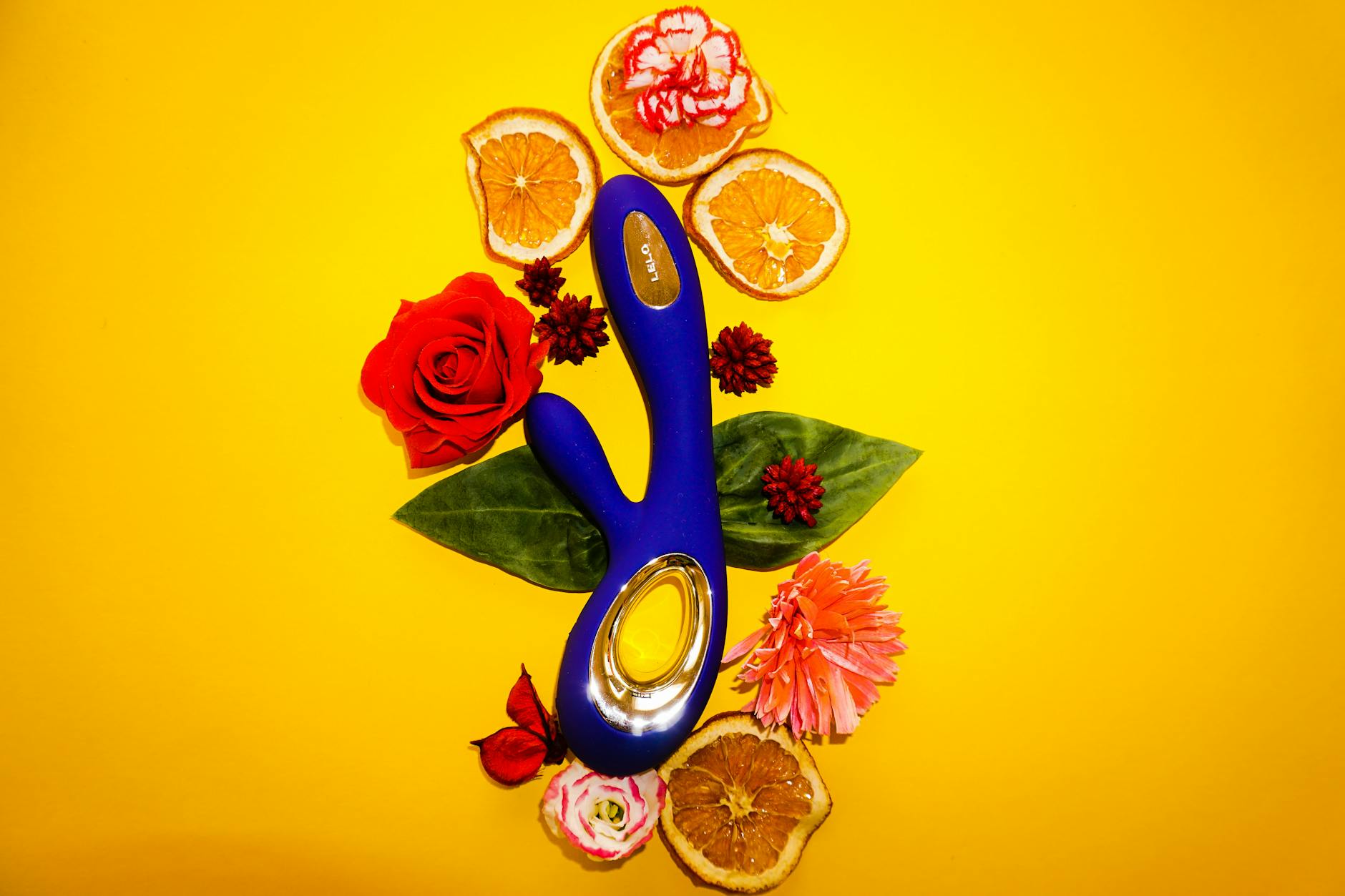
Photo by FounderTips on Pexels
The timeline matters (but it's shorter than you think)
Most people are told "no penetration for six weeks" after birth or most vaginal procedures. That same person can usually explore clitoral pleasure within days, pending doctor approval. The distinction is critical. If you've been cleared to walk, move, and get back to light activity, you're likely cleared to explore self-pleasure. Ask your doctor directly. Most will say yes.
After abdominal surgery, the timeline is different. You might need to avoid intense physical sensation for longer while your incision heals. But even then, gentler clitoral stimulation often feels fine well before full activity resumes.
The point: don't assume "no sex" means "no pleasure." Those are two different things. A lemon vibrator focuses only on pleasure, not penetration, which means the recovery window is often much smaller than you've been told.
How to approach it safely
Four practical boundaries that matter:
Start with the lowest intensity. Most people assume they'll go back to whatever settings they used before. Wrong. Healing tissues are more sensitive, not less. Start at pattern 1 or 2 on the Lem. You can always turn it up. You can't un-feel something that was too intense.
Keep your hands out of the picture. During recovery, touching or inserting anything into the healing area is what you're avoiding. Clitoral stimulation with a toy is external and hands-off, which is exactly the point. This removes the temptation to "just check if it still works" or "see how it feels."
Solo is the first move. If you have a partner, the impulse is to reconnect during sex. Resist this. Solo exploration first lets you understand your body without the pressure of performance or worry about hurting yourself. Your partner can rejoin later once you've mapped the landscape alone.
Stop if anything feels sharp. Pressure, fullness, or drawing sensation is usually fine. Sharp pain, burning, or anything that radiates is a signal to stop and check with your doctor. A clitoral vibrator is low-risk, but your body still gets to veto at any point.
What changes about sensation during recovery
Your sensitivity might be completely different right now. Some people report heightened sensation in the clitoral area after birth or healing from infection. Others feel numb, or need way more stimulation than usual. Both are temporary and normal.
The Lem's air-suction design is particularly useful here because you can control the intensity independently of the pattern. If your body needs more sensation than usual, you can increase the suction pressure without committing to a faster rhythm. That flexibility matters when you're figuring out what your nervous system needs during recovery.
You might also notice that your capacity for longer sessions has shifted. You might want 20 minutes of gentle foreplay followed by a quick orgasm. Or you might want 3 minutes of intensity and done. Recovery often recalibrates what feels good, and that's information, not failure.
Rebuilding with a partner after things were off the table
This is where a lot of couples get stuck. One partner has been cleared medically, but the other is anxious about "doing it wrong" or hurting them. The lemon vibrator becomes a language you both understand.
If your partner wants to be involved, they can simply be present while you use the toy. Watching, touching your arm, sitting close. No performance pressure, no risk of causing pain, just emotional proximity. Many couples tell me this actually feels more intimate than typical sex, because there's genuine attunement happening without the mechanical steps of intercourse.
Alternatively, your partner might guide the toy. You're in control, they have some agency, everyone stays safe. These are conversations to have before you start, not during. Something like: "I want to try the toy tonight. Would you rather watch, or would you like to hold it for me?" Clarity beats improvisation when you're navigating recovery.
If you're solo, this is permission to prioritize what you need without negotiating. You're recovering. You deserve straightforward, uncomplicated pleasure.
When sensation comes back stronger than before
This happens often enough that I mention it: some people emerge from recovery with heightened sensitivity or different orgasm intensity than they had before. It's not always true, but when it is, it's usually a pleasant surprise.
The explanation is probably neurological. During recovery, your nervous system reorganizes. Unused pathways strengthen. New connections form. You're essentially getting reacquainted with your own pleasure hardware. A clitoral vibrator is the perfect tool for exploring this unfamiliar territory because you're not managing penetration at the same time.
If sensitivity feels intense, remember: you can dial it down. The Lem starts gentle. If it feels too much, you're not broken. You're just recalibrating. Drop the intensity, slow the pattern, or take a break. Your body will normalize after a few sessions.
Clearing the mental load alongside the physical recovery
Here's what I notice in my practice: the emotional piece often lags behind the physical clearance. Your doctor says you're healed, but you're still anxious. You're worried about re-injury, or you've internalized a narrative that this part of your body is fragile now. A vibrator can't fix that worry directly, but it does provide evidence that healing is real.
Each time you use the Lem without pain or complications, your nervous system gets information: "This body still works. This body still feels good. I can trust this body again." That's not small. That's the entire game.
If the anxiety persists beyond what feels reasonable, talking to a therapist makes sense. Sometimes recovery is genuinely physical. Sometimes it's also about rebuilding confidence in your body's capacity for pleasure.
People also ask
Is it safe to use a vibrator during recovery if my doctor said no penetration?
Clitoral vibration is not penetration. Assuming your doctor cleared you for any physical activity, clitoral stimulation with an external toy is typically safe. The key distinction: the Lem works on the clitoris and vulva, not inside the vagina. Ask your doctor specifically about "external vibration," not just "sex." Most will confirm it's fine.
How long does it typically take for penetration to feel normal again after birth or surgery?
It varies hugely. Full comfort usually takes 6 to 12 weeks after a vaginal birth, longer after a significant tear or surgical repair. After abdominal surgery, 4 to 8 weeks is typical. Infections or post-operative complications can extend this. The point: use that gap to explore clitoral pleasure. You don't have to wait for penetration to feel normal to resume your sex life.
Will using a vibrator interfere with healing?
No. If anything, improved circulation from arousal and orgasm supports healing. Vibration itself doesn't traumatize tissue the way penetration can during recovery. Just follow the intensity guidelines: start low, respect pain signals, and avoid anything insertive near the healing area.
What if I feel numb during recovery?
Numbness is common and usually temporary, especially after childbirth or local procedures. It can last weeks or even a couple of months. Start with a toy, see what sensation you get, and don't panic if it's muted. Your nervous system is reorganizing. Gentle, consistent stimulation often helps nerves "wake up." If numbness persists beyond three months, mention it to your doctor.
Can my partner be involved, or should I explore this alone first?
Both approaches work. Solo exploration lets you understand your own sensitivity without pressure. Partner involvement can feel emotionally reconnecting. I usually suggest: try it solo first to build confidence, then decide if you want them involved. No rule says you can't do both.
When can I go back to penetration if I've been using a vibrator during recovery?
Not necessarily soon. Clitoral pleasure and penetration are separate systems. Your doctor will tell you when penetration is safe based on how healing is progressing. Vibrator use doesn't accelerate that timeline. What it does is let you have pleasure while you wait.
You're not stuck
Recovery is temporary. Your body is healing. The pleasure part of you is not broken, just redirected for a little while. A lemon vibrator gives you permission to stay connected to sensation and orgasm while tissues mend. That's not a workaround. That's exactly how this part of you is designed to work.