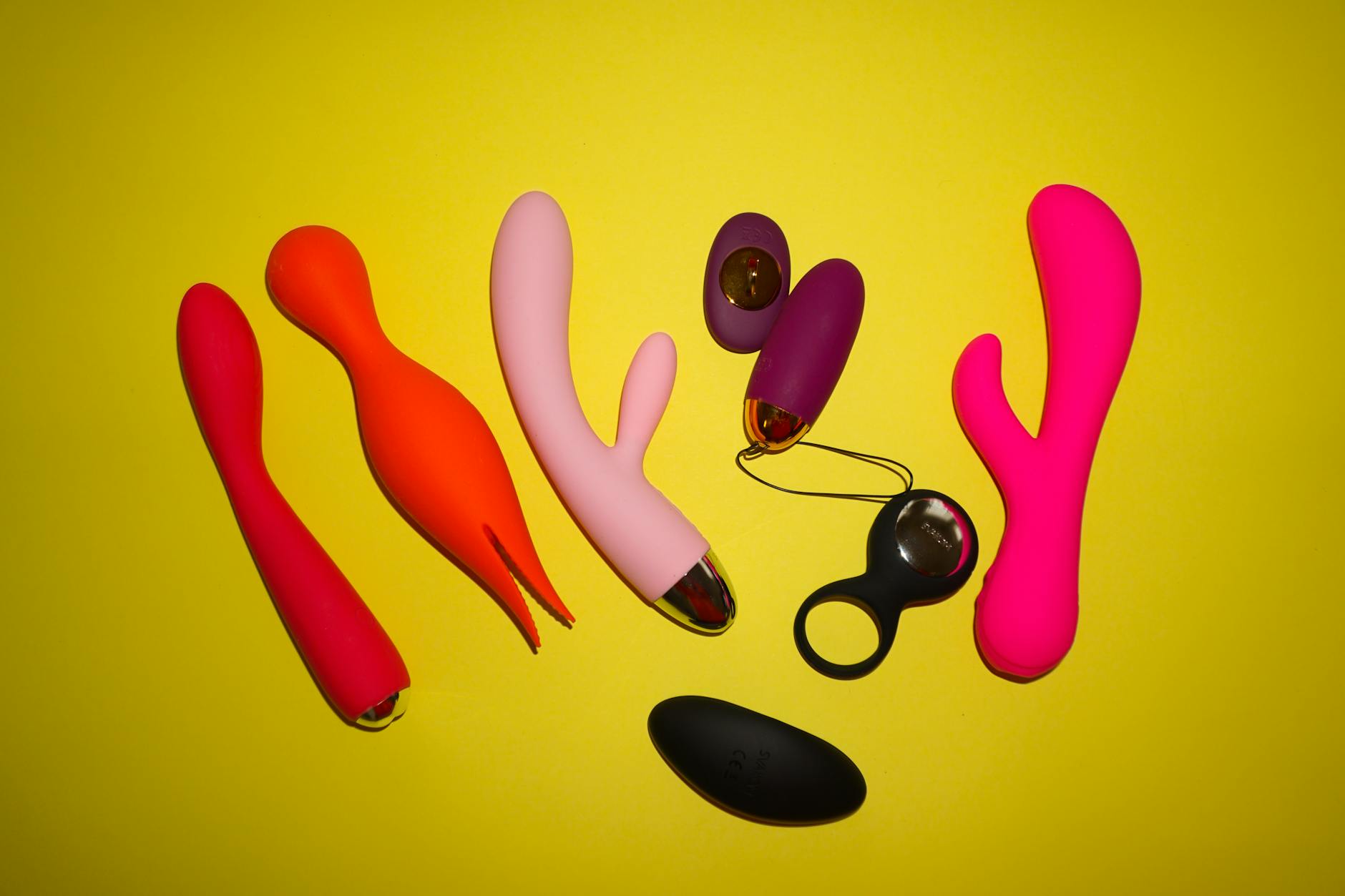
When touch becomes background noise
Here's what I hear most often in sessions: "I love my partner, but I don't feel anything when they touch me anymore." Not anger. Not resentment. Just... nothing. The sensation you once registered as electric now registers as furniture.
This is sexual numbness, and it's wildly common in long-term relationships. It's also completely fixable. But it requires understanding what's actually happening in your nervous system, not just what's happening in your relationship.
Why repetition kills sensation
Your nervous system is a prediction machine. It learns patterns and stops paying attention to them. This is why you stop noticing the hum of your refrigerator or the weight of your clothes. The brain is optimizing for novelty and threat, not for comfort.
When your partner touches you the same way, in the same place, at the same rhythm for years, your nervous system literally stops registering it. It's not that you've fallen out of love. It's that your sensory system has filed that touch under "already known." Your brain allocates attention elsewhere.
This is especially true for the clitoris. Because it's packed with nerve endings, it's incredibly sensitive to change and novelty. When stimulation becomes monotonous, those nerve endings stop firing as readily. The same pressure, the same speed, the same trajectory. Your body learns to tune it out.
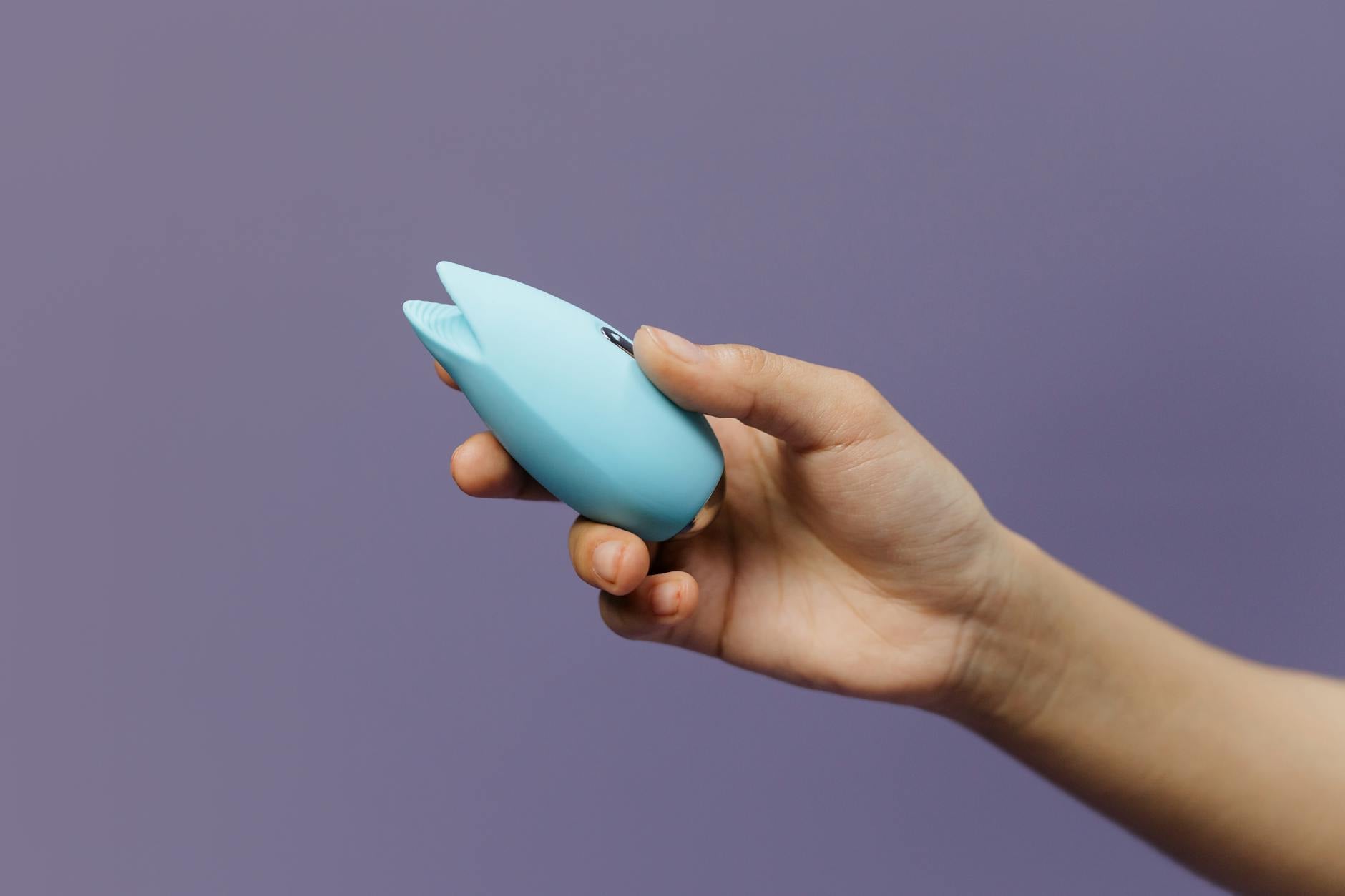
Photo by cottonbro studio on Pexels
What lemon vibrators do differently
Clitoral vibrators like the Lem break that pattern instantly. They introduce a sensation your body has never learned to tune out: rapid, rhythmic stimulation at frequencies (typically 50-90 Hz) that your nervous system can't ignore.
Unlike sustained pressure or manual stroking, vibration doesn't plateau. Every half-second brings a new input. Your nervous system stays alert. Your brain allocates attention. Your clitoris wakes up.
This isn't about needing something bigger or better than your partner's touch. It's about introducing novelty to a sensory pathway that's gone dormant. Think of it like taking a different route to work after years on the same commute. Suddenly you're noticing your surroundings again.
The science of rewiring sensation
When numbness sets in, the most direct pathway to recovery isn't willpower or more foreplay. It's reintroducing your nervous system to novel stimulus. Vibration does this faster and more reliably than almost anything else.
Here's what happens: As the Lem makes contact, the rapid pulse activates a broader band of nerve endings simultaneously. These micro-vibrations travel through the clitoral tissue, creating a pattern the nervous system hasn't learned to filter. Over repeated use, this teaches your sensory system that this area is worth paying attention to again.
Within 3-5 sessions of solo use, most people report noticeable shifts in their ability to feel. Their clitoris feels more present, more responsive. Sensation that felt distant suddenly feels local and real.
Starting with solo use, not with your partner
Here's the counterintuitive part: if numbness has set in with your partner, the fix doesn't start with them. It starts alone.
This isn't punishment or rejection. It's neuroscience. When your partner is in the room, your nervous system splits its attention between the touch and social monitoring (Am I taking too long? Are they enjoying this? Do I look okay?). That divided attention means you register less sensation, not more.
Alone, you can redirect your full attention to what your body is feeling without that social load. This is where real rewiring happens.
I recommend this sequence: Start with 10-15 minutes of solo exploration with the lemon vibrator. Use patterns 1-3 on the Lem (lower intensity, medium-paced). Don't aim for orgasm. The goal is sensation mapping. Where does the vibration feel most intense? Where do you feel undertones? What patterns make your clitoris feel alive instead of numb?
Do this 3-4 times over two weeks. What you're doing is teaching your nervous system: "This spot matters again. Pay attention here."
Moving from solo use to partnered play
Once sensation starts returning, the transition back to partnered touch doesn't require abandoning the vibrator. It's about layering.
Try this: Have your partner use manual touch (fingertips, tongue, whatever you've been doing) while you hold the Lem nearby, not yet in contact. Let them stimulate you for 2-3 minutes. Notice the sensation or the lack thereof. Then bring the vibrator in.
The contrast makes the difference acute. You'll likely notice their touch much more vividly after introducing the vibration, because your nervous system is now alert and comparing the two sensations. This contrast is how you teach your body to pay attention again.
After a few cycles of this pattern, try reversing it: Start with the vibrator at pattern 2, build arousal for 3-4 minutes, then have your partner take over with manual touch. The vibrator has "primed" your sensory system. Their touch may now register more vividly than it has in months.
Don't expect this to feel like it did when you first got together. That's not the goal. The goal is to recover the ability to register sensation. That's where desire rebuilds.
When numbness is about more than routine
Sometimes sexual numbness masks something else: resentment about unpaid labor, frustration with emotional distance, exhaustion from life stress, or grief disguised as apathy.
If you try this approach and sensation still doesn't return after four weeks, the answer probably isn't technique. It's that something else in the relationship needs attention first.
A lemon vibrator is a powerful reset tool for sensory numbness. But it's not a fix for intimacy avoidance, unresolved conflict, or emotional disconnection. If those are present, they'll resurface the moment you try to rebuild pleasure. Communication work with your partner often has to happen first.
The integration moment
The goal isn't to replace your partner's touch with a vibrator. It's to use vibration to reactivate your nervous system so that your partner's touch registers again.
Many people find that after using clitoral vibrators like the Lem to recover sensation, they naturally want more partnered touch. The numbness breaks. The desire returns. The vibrator becomes less necessary, not because it stops working, but because sensation has been restored and the relationship becomes pleasurable again.
Sometimes the vibrator stays a regular part of your routine. That's fine too. The point is: numbness is treatable. Your nervous system isn't broken. It's just been running on a loop so long that it stopped paying attention. Break the loop, and you break the numbness.
Frequently asked questions
How long does it take for numbness to go away when using a lemon vibrator?
Most people notice significant changes in sensation within 3-5 solo sessions (roughly 1-2 weeks of consistent use). Full integration where your partner's touch feels vivid again typically takes 4-6 weeks. This varies based on how long the numbness has been present and whether other relationship stressors are active. Be patient; sensation recovery isn't linear.
Can I use a lemon clitoral vibrator if I'm already having regular sex?
Absolutely. Using lemon vibrators solo doesn't replace partnered sex. In fact, the contrast between vibration and manual touch often makes both more pleasurable. Many people integrate vibrator use into partnered sessions without any conflict. It's an addition, not a replacement.
What if my partner feels threatened by me using a clitoral vibrator for numbness?
This is worth naming directly. If your partner worries that vibrator use means they're not enough, you're dealing with a communication issue, not a vibrator issue. Addressing this fear is important. The conversation might sound like: "I want to feel things again. Not because you're failing. Because my nervous system has gotten bored with a good pattern. This is about me waking up my own body, not about you not being enough."
If I use a lemon vibrator solo, will manual touch ever feel the same?
No. And that's okay. Vibration is a different sensation than manual touch. The goal isn't to recreate the early-relationship glow. It's to restore the ability to register sensation so pleasure feels possible again. Manual touch may feel different now, but it will feel real instead of muted.
Should I tell my partner I'm using a vibrator to address numbness?
If you have a generally open relationship, yes. If you're keeping secrets about sexual behavior, that's a sign that deeper communication patterns need work first. Transparency about how you're trying to rebuild sensation usually opens the door to more connection, not less. The vibrator becomes evidence that you care about desire returning.
Can numbness come back after using lemon vibrators for a while?
Possibly, if you fall into the same repetitive pattern with the vibrator (same setting, same rhythm, same timing every time). Variety is what keeps your nervous system alert. Rotate between patterns, timing, and contexts. Use it some days, skip others. Let novelty stay alive.
The real work starts after sensation returns
Using a lemon vibrator to break through sexual numbness is the sensory part. But numbness usually has a relational root. Once your body wakes up again, the real work is asking: What made me go numb in the first place? What needs to change in how my partner and I approach intimacy so this doesn't happen again?
That conversation is where lasting change happens. The vibrator is the door. You still have to walk through it.
If you're ready to explore this more deeply with your partner, our contact page has resources for finding a therapist who specializes in couples work. Sensation recovery plus relational repair gives you the best chance of keeping desire alive long-term.