
The thing nobody tells you about antidepressants and sex
Your medication is working. You're sleeping better, the fog is lifting, and you can finally breathe. And also, your libido has vanished. This is not a side effect you imagined. It's real, it's common, and it's deeply unfair.
Sexual dysfunction affects 40-60 percent of people taking SSRIs (selective serotonin reuptake inhibitors). That's not a rounding error. That's a feature of how these drugs work. Serotonin plays a role in desire, arousal, and orgasm capacity. When you flood your system with extra serotonin to quiet anxiety and depression, sometimes pleasure gets quiet too.
Here's what makes it worse: nobody in the prescribing conversation brings it up. You get a pamphlet about dry mouth and nausea. Nobody mentions that sex might feel like a task you're performing for someone else, or that orgasm becomes the same effort it used to be, except further away.
What's actually happening in your body
Antidepressants work by increasing available serotonin in your brain. Serotonin is involved in mood regulation. It's also involved in sexual response. More serotonin, typically, means better mood. More serotonin can also mean delayed or absent orgasm, reduced genital sensation, and lower desire.
The mechanism is partly neurochemical. SSRIs can dampen the cascade of nerve signals that lead to arousal. They can also affect blood flow to genital tissue, which means slower physical response and softer sensation.
But here's the complicating part: sometimes the sexual side effects aren't purely physiological. Depression itself kills desire. Anxiety kills desire. Once you start treating those, sometimes desire bounces back. Sometimes it doesn't, because the medication is now managing the mood part, and the side effect part is separate.
The worst outcome is thinking you have to choose. You don't.
Why lemon vibrators work differently when sensation is blunted
Traditional vibrators rely on rapid vibration alone to create sensation. When your nervous system is dampened by antidepressants, you might not feel a standard vibrator at all, or you'll need it at such high intensity that it becomes uncomfortable.
Lemon clitoral vibrators like the Lem use air-pulse technology instead of (or in addition to) traditional vibration. Air-pulse works by creating rhythmic suction and release patterns. This stimulates the clitoris through pressure and texture change, not just friction. The result is that people feel it differently. More intensely, often, in a way that penetrates the numbness.
This matters because when medication numbs sensation, you need a different tool. The vibrator you might have used before might not cut through the fog now. The Lem's design specifically targets the clitoral complex in a way that works when standard vibrators don't register.
The warm-up principle when desire feels absent
When your medication is suppressing libido, you might find that arousal doesn't happen naturally. Your body doesn't send the signals. This means waiting for spontaneous desire is often pointless.
Instead, start with intention. Set aside time. Use a lemon vibrator not as a last resort, but as permission to explore. The air-pulse technology on tools like the Lem works because it bypasses the normal arousal pathway. You don't have to feel desire first. The physical stimulation often creates desire as you go.
Start at the lowest setting. Spend 10-15 minutes. You're not trying to get somewhere. You're training your nervous system to wake up. Sometimes orgasm comes. Sometimes it doesn't. Both are fine.
Pattern switching and the numb-spot problem
One specific challenge with antidepressant-induced numbness: sometimes your clitoris responds to certain patterns and not others. The Lem and similar air-pulse lemon clitoral vibrators come with multiple settings and intensities. Use all of them.
Start at pattern 1, lowest intensity. Spend a few minutes there. Then switch patterns. Then increase intensity slightly. Your job is to find the combination that actually registers in your body right now. This changes. Your medication dose might change. Your body adapts. So your tool preference will shift.
A traditional vibrator gives you one thing: vibration, ramped up. Lemon vibrators give you multiple dimensions: suction, release, pattern variation, intensity. When sensation is blunted, dimensionality matters more than power.
Talking to your prescriber about this
Before you resign yourself to numb sex forever, mention this to the person who prescribed your medication. A few options exist.
First, timing. Some SSRIs can be taken right after orgasm, not before, which shifts when the drug peaks in your system. It's a small adjustment and doesn't always work, but it's worth asking.
Second, medication adjustment. Sometimes switching to a different SSRI helps. Not all of them affect libido equally. Bupropion, for example, is stimulating and often improves sexual function. It's not an SSRI, so it's not a direct substitute for anxiety or panic disorder, but for depression with sexual side effects, it's worth discussing.
Third, addition. Sometimes adding a medication that counteracts the sexual side effect (like buspirone or bupropion at a low dose) alongside your main antidepressant solves the problem. This is common and often works.
Don't suffer in silence and assume this is the price you pay for mental health. It's not. Better moods and functional sex are both possible.
When to use lemon vibrators solo vs. with a partner
If you're in a relationship, the loss of desire creates a weird dynamic. Your partner might feel rejected. You might feel guilty. Sex becomes something you do for them, which kills what little desire was left.
This is where solo exploration with a lemon sexual toy becomes powerful. When you're alone, you're not performing. You're not managing someone else's feelings. You can go slowly, switch patterns, take breaks, try again tomorrow. No pressure.
Solo time with a lemon vibrator also gives you data. You figure out what actually works for you right now, which patterns and intensities wake up your pleasure. Then, when you're with a partner, you have that knowledge. You can guide them. You can explain what works. You're not starting from zero.
Many people find that pleasure returns faster when they reclaim it for themselves first.
The patience part that nobody mentions
Restoring desire and sensation when you're on antidepressants takes time. It's not the same as restoring it after, say, a period of stress. You're working against a medication that's actively suppressing a system in your brain.
Some people see improvement in weeks. Some take months. Some find they need to adjust medication first. Some discover that a combination of lemon clitoral vibrators, patience, and partner communication slowly resets their capacity for pleasure.
What almost never happens is that sex returns to exactly what it was before. And that's actually fine. Different doesn't mean worse. Many people on long-term antidepressants find that their sexual experience changes permanently, but in ways that feel good once they adjust: less performance pressure, more focus on sensation, better communication with partners about what they actually want.
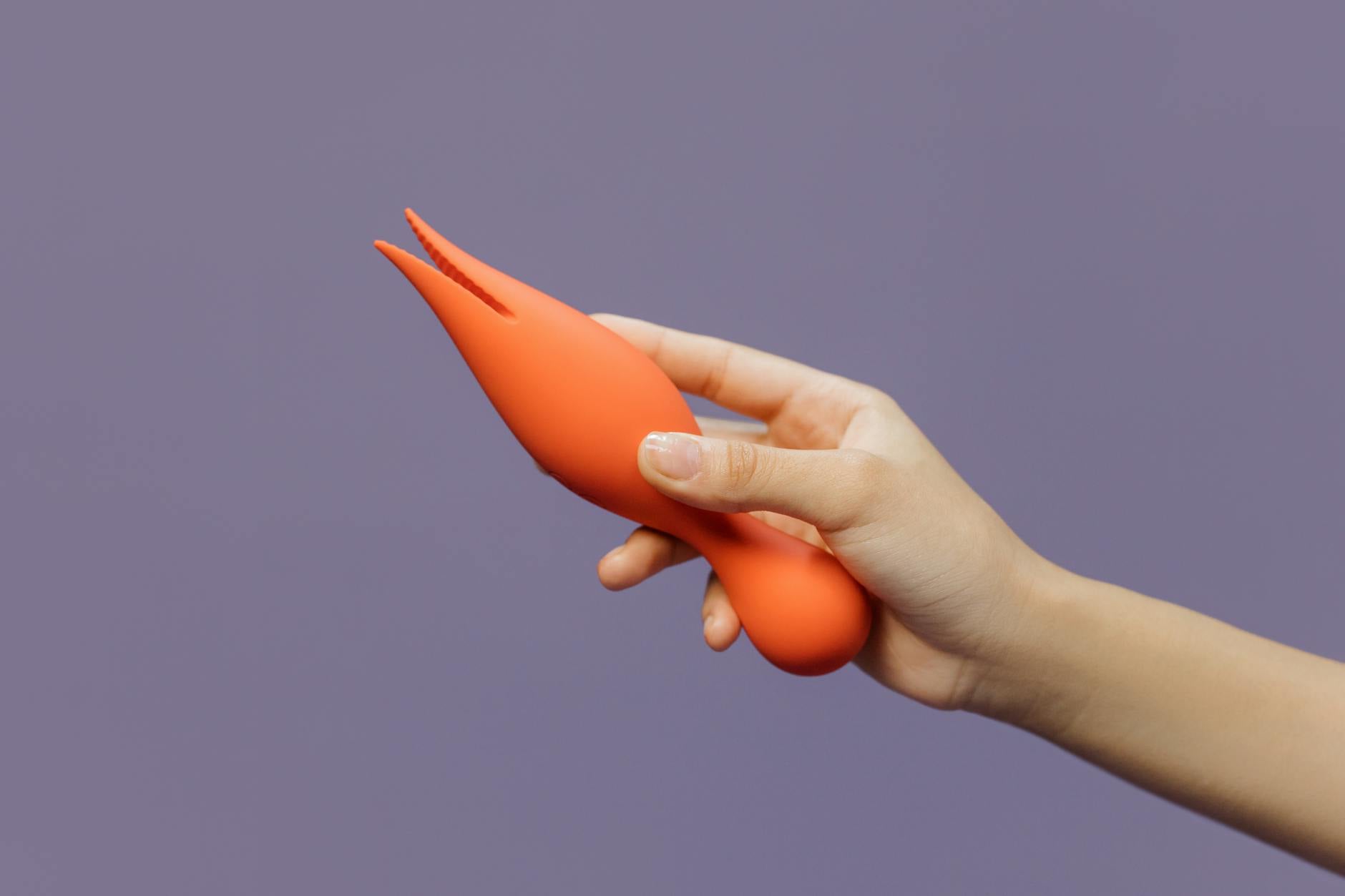
Photo by cottonbro studio on Pexels
When to add extra support
If you're also dealing with relationship strain because of the sexual side effects, this might be the moment to get couples support. A therapist who understands both mental health medication and relationship dynamics can help you and your partner navigate this. It's not a relationship failure. It's a temporary system reset.
If you're single and grieving the loss of desire, that's also valid. Working with a therapist on this can help you grieve that loss while also exploring whether pleasure is accessible to you right now in other forms.
The goal isn't to force yourself back to baseline. The goal is to find pleasure in whatever form is available to you now, which is often different, and often really good once you stop fighting it.
FAQ: Antidepressants, desire, and lemon vibrators
Can lemon vibrators help if I feel zero arousal?
Yes, often. Because lemon clitoral vibrators like the Lem use air-pulse technology, they can create physical sensation even when your brain isn't sending arousal signals naturally. You're not waiting for desire to appear. You're using stimulation to wake up the system. That said, zero libido sometimes means your antidepressant dose is too high, or the wrong medication for you. If you feel nothing after several sessions with a quality toy, check in with your prescriber.
Should I switch antidepressants just for sexual side effects?
That's a conversation for your prescriber, not something to do alone. Some people switch and feel better sexually with no mood cost. Some switch and their depression returns. Some stay on their current medication and solve the sexual problem with a different approach (timing adjustments, added medications, or tools like lemon vibrators). There's no one right answer. Your prescriber can help you weigh the trade-offs.
How long before pleasure comes back when I use a lemon vibrator?
It varies wildly. Some people feel different sensations within days of starting to explore. Some take weeks to rebuild the neural pathways. Some find that they need to adjust their medication first. The timeline isn't linear. You might have a great session, then nothing for a week, then something else clicks. Patience is the boring answer, but it's the true one.
Is it normal to need a lemon vibrator when I never used one before?
Completely normal. When sensation is dampened by medication, your body needs different input than it did before. A lemon sexual toy provides that. This doesn't mean you'll need it forever. Some people use it while on antidepressants and move to other tools later. Some stick with it because they like it. Either way, this is adaptation, not weakness.
Can I use a lemon vibrator with my partner if I'm on antidepressants?
Absolutely. Many couples find that adding a lemon clitoral vibrator to partnered sex helps restore pleasure and sensation that the medication dampened. It's not replacing your partner. It's using a tool that works with your body's current neurochemistry. Some partners feel relieved because it takes the pressure off them to manually create sensation that isn't registering.
What if the lemon vibrator helps but my partner feels threatened?
This is a conversation about insecurity and what sex means to both of you. The vibrator isn't replacing your partner. Your partner's hands can't replicate air-pulse suction. You're solving a medical problem, not expressing dissatisfaction. If your partner struggles with this, couples counseling can help you both get on the same page about what sex is for and how medication affects it.
The thing to remember
Your mental health medication is valuable. It's also okay to reclaim pleasure while you're on it. These aren't opposing forces. Lemon vibrators, air-pulse clitoral toys, patience, and sometimes a conversation with your prescriber about adjustments can help you find sensation and desire again, even while managing depression or anxiety.
If you'd like to explore how other people navigate this, or if you're struggling with how this is affecting your relationship, we're here to help. Reach out anytime.