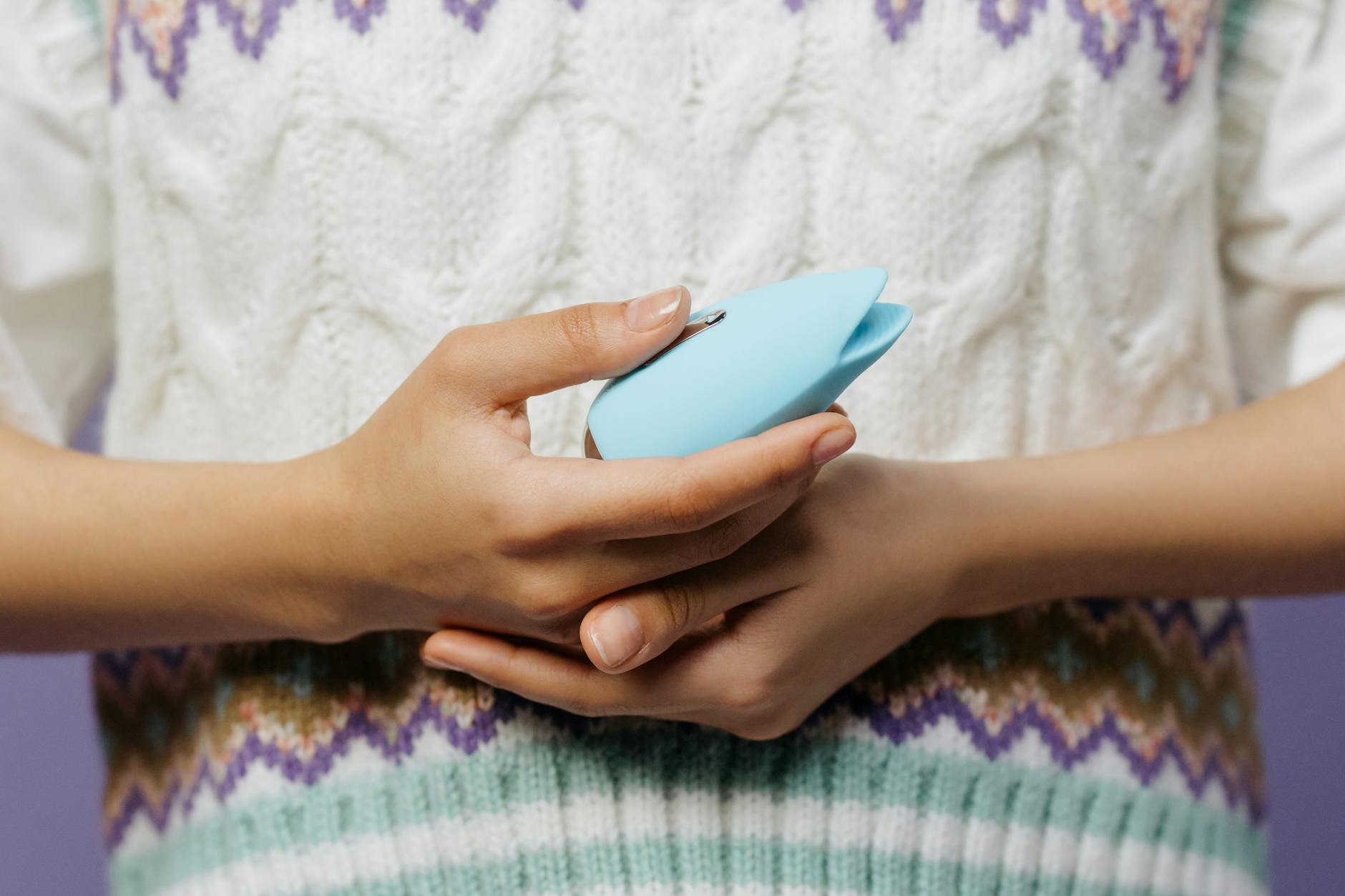
The stress-sex connection nobody talks about
Let's be real. When you're running on empty, your nervous system doesn't care about pleasure. Chronic stress floods your body with cortisol and adrenaline. Your brain prioritizes survival over sensation. Your pelvic floor tenses. Blood flow redirects away from the clitoris. Touch that normally feels good starts to feel irritating or numb.
Here's the part that matters: this is not permanent, and it is not a reflection of your desire or your body's capacity for pleasure. It's a temporary nervous system state. And lemon vibrators, specifically air-pulse designs like the Lem, can be a surprisingly effective tool for breaking that cycle and teaching your body that pleasure is still available.
Why stress shuts down arousal so completely
When you're under sustained pressure, your body shifts into sympathetic dominance. Your nervous system thinks it's under threat. Blood vessels constrict. The clitoris becomes less engorged. Vaginal lubrication decreases. Your mind stays scattered, cycling through your to-do list even when you're in bed.
Meanwhile, your pelvic floor overbraces. Muscles that should relax during arousal stay locked in protective tension. This creates a vicious loop: stress causes pelvic floor tension, tension blocks sensation, blocked sensation kills arousal, and the stress intensifies because now you're anxious about your lack of desire.
The good news is that you're not broken. Your nervous system is doing exactly what it was designed to do. The bad news is that without intervention, it can stay stuck there for months or years.
Why lemon vibrators work differently when stress is the culprit
Traditional vibrators rely on friction and direct mechanical stimulation. When your nervous system is already in overdrive, direct pressure can feel overwhelming or irritating. You're already bracing against sensation.
Lemon clitoral vibrators use air-pulse technology. Instead of vibration, they create gentle suction waves that stimulate nerve endings without the same aggressive mechanical input. This matters enormously when you're stressed. The sensation feels less invasive. Your nervous system is less likely to interpret it as another demand on your body.
Second, the rhythmic suction pattern can actually help reset your nervous system. Consistent, predictable rhythms activate your parasympathetic nervous system. the suction creates a gentle feedback loop that tells your brain: this is safe, you can relax, sensation is okay.
Starting with your nervous system, not your clitoris
If stress has killed your libido, the mistake most people make is jumping straight to the toy and expecting instant arousal. Your nervous system needs permission to downshift first.
Three things I recommend before you even consider touching your clitoris:
1. Create actual calm. Not productivity calm where you've crossed off your to-do list. Real physiological calm. A bath where you're not checking your phone. Twenty minutes alone without planning anything. A walk. Whatever genuinely quiets your mind, not what you think should quiet your mind. This usually takes 15-30 minutes. Your body needs to believe the threat has passed.
2. Warm your body deliberately. Stress causes constriction. Heat reverses it. A hot shower beforehand, warming your pelvic area with a heat pad, even just wrapping yourself in blankets. Blood flow needs to be able to move toward pleasure again.
3. Set a timer and give yourself a hard stop. This sounds counterintuitive, but it works. Tell yourself you have exactly 20 minutes. No performance pressure, no expectation of orgasm, no idea that this is a sex session. You're just exploring what your body remembers. A timer removes the anxiety of time disappearing.
How to reintroduce sensation gradually
Once your nervous system has started to settle, start very small.
If you're using a lemon clitoral vibrator, begin on the lowest setting. Don't aim for the clitoris directly. Start by exploring your inner thighs, your labia majora, the outer edges of sensation. Let your body remember that touch is information, not a demand. This usually takes 5-10 minutes.
When you do move toward the clitoris, keep the pressure light. You're not trying to build to orgasm. You're teaching your nervous system that this area can feel good again. Some people with stress-induced numbness find that simply letting the toy sit on their clitoris without movement, using just the warmth and weight, is enough to begin rewaking sensation.
The Lem's air-pulse design is particularly useful here because you can start at pattern one and let it run without any aggressive buildup. Your body can settle into the sensation instead of bracing against it.
The role of breathing and presence
Stress keeps you in your head. Pleasure requires you to be in your body. This gap is real, and it's one of the reasons solo sensation is so powerful when stress has numbed you.
Focus on breathing. Slow, deep belly breaths. If your mind drifts to your email or your worries, notice it without judgment and come back to how the toy feels on your skin. Narrow your attention to one small area at a time. The sensation at this exact point, right now.
If orgasm happens, great. If it doesn't, you haven't failed. You've successfully taught your nervous system that pleasure is worth exploring again. That alone is a win.
When to bring your partner in (and when not to)
If you're in a relationship, your partner may have noticed the libido shift and be concerned or frustrated. Here's what I recommend: don't involve them in the early stages of nervous system resetting.
Solo exploration with a lemon vibrator first removes the pressure of performance and being wanted. You get to rediscover pleasure on your own terms. Once you've established that sensation feels good again without an audience, partner involvement becomes a genuine choice, not a desperate attempt to fix something for someone else.
When you do involve your partner, frame it as exploration, not recovery. "I want to show you what I'm learning about what feels good right now" lands very differently than "I'm trying to fix my libido." The first is collaborative. The second is pressure.
The realistic timeline
If stress has suppressed your desire for weeks, expect nervous system recalibration to take a few weeks too. You're not trying to force attraction that isn't there. You're slowly convincing your body that it's safe to feel again.
Week one: solo exploration with the lemon vibrator, no performance expectations. Focus on sensation and breathing.
Week two-three: gradually increase time and intensity if it feels good. Your nervous system will start to anticipate pleasure instead of bracing against it.
Week three-four: desire often returns naturally once the nervous system stops perceiving threat. You may notice attraction returning, spontaneous thoughts about sex, genuine interest again.
That said, if stress is chronic and ongoing, pleasure will keep getting buried. This is also the moment to look at what's actually causing the stress. No amount of lemon vibrators will fix a fundamentally unsustainable life situation. Sometimes the real work is setting boundaries, changing jobs, or getting therapy for the underlying anxiety.
When to get additional support
If a few weeks of patient, gentle exploration doesn't shift anything, don't assume your body is broken. Consider whether the stress itself needs professional attention. A therapist who understands nervous system regulation can help. So can a sex therapist, especially one trained in somatic work.
If your low libido is accompanied by other symptoms like persistent fatigue, mood changes, or sleep problems, talk to a doctor. Sometimes stress triggers actual medical changes that need addressing.
Lem vibrators are a brilliant tool for pleasure recovery, but they're best used as part of a larger nervous system reset. Alone, they help. Paired with addressing what's actually stressing you, they become transformative.
People also ask
Can lemon clitoral vibrators help with stress-related numbness?
Absolutely. The air-pulse technology in devices like the Lem creates gentle, rhythmic stimulation that's less overwhelming to a stressed nervous system than traditional vibration. Because they don't rely on direct mechanical friction, they're less likely to trigger tension or discomfort in someone whose pelvic floor is already bracing. Starting at the lowest setting and focusing on sensation without performance expectations helps slowly rewire the nervous system's association with pleasure as safe.
How often should I use a lemon vibrator when stress has killed my libido?
Start with 2-3 times per week for about 20 minutes each session. This is frequent enough to establish a pattern and help your nervous system recognize pleasure as a safe, available option. But not so frequent that it becomes another item on your obligation list. The goal is exploration, not achievement. If it starts feeling like homework, pull back.
Is it normal to feel nothing the first time I use a lemon vibrator under stress?
Completely normal. When your nervous system is in survival mode, sensation takes a back seat. The first few uses might feel like nothing much is happening. That's okay. You're rewiring, not performing. Keep the expectations low, the breathing intentional, and the pressure off. Many people report that sensation slowly returns over a week or two of consistent, pressure-free exploration.
Why does my pelvic floor feel so tight even during pleasure when I'm stressed?
Stress causes protective muscle tension throughout your body, including the pelvic floor. When you're anxious, those muscles lock. This is your nervous system trying to keep you safe. The solution is not to force relaxation, but to signal safety. Slow breathing, warmth, and very gentle, non-demanding stimulation help signal that the threat has passed. Air-pulse vibrators help because they don't demand immediate arousal. You can relax into them.
Can using a lemon vibrator replace therapy for stress-related loss of libido?
No. A lemon vibrator is a tool for pleasure recovery, not a cure for chronic stress. If your stress is from work overwhelm, relationship problems, health anxiety, or depression, the underlying stressor still needs to be addressed. The vibrator helps you remember that pleasure is still possible. But if the stressor remains overwhelming, desire will keep getting buried. Think of it this way: the lemon clitoral vibrator is the access point. Therapy or lifestyle change is the broader fix.
Does it matter which lemon vibrator I use if stress is my main issue?
Yes and no. Any reliable, body-safe clitoral vibrator can help. But air-pulse vibrators like the Lem are particularly well-suited to stressed bodies because they create rhythmic, predictable stimulation that's gentler than traditional vibration. They're less likely to overwhelm an already-activated nervous system. If you're just starting, an air-pulse design with adjustable intensity levels gives you the most control and the gentlest entry point into sensation.
The path forward
Stress doesn't kill your capacity for pleasure. It just puts it on pause. Your clitoris still has all the nerve endings it always had. Your body still remembers how to respond. Your brain can still experience orgasm. What stress does is create a neurological state where your nervous system is too busy protecting you to let pleasure through.
Lemon vibrators, combined with genuine nervous system settling, help break that cycle. They remind your body that sensation is safe, that pleasure is available again. If you're patient, consistent, and kind to yourself through the process, desire usually returns. Not overnight. But genuinely.
The real work here isn't about the toy. It's about giving yourself permission to prioritize your own pleasure and your own calm, even when stress wants to consume every available moment. That permission is where everything starts.