When the conversation never happens
Let's be real. You've tried bringing it up. Maybe once. Maybe seventeen times. And every time, your partner changes the subject, gets quiet, or says "I don't know, I'm not comfortable talking about that." So the thing you actually want to discuss just stays buried, and sex becomes something you both do on autopilot, if at all.
This is one of the most common relationship patterns I see in my practice. One person is hungry for deeper pleasure and connection. The other person wants it too, probably, but the language for it feels foreign or embarrassing or risky. So instead of talking, nothing changes. And nothing changes becomes the biggest problem of all.
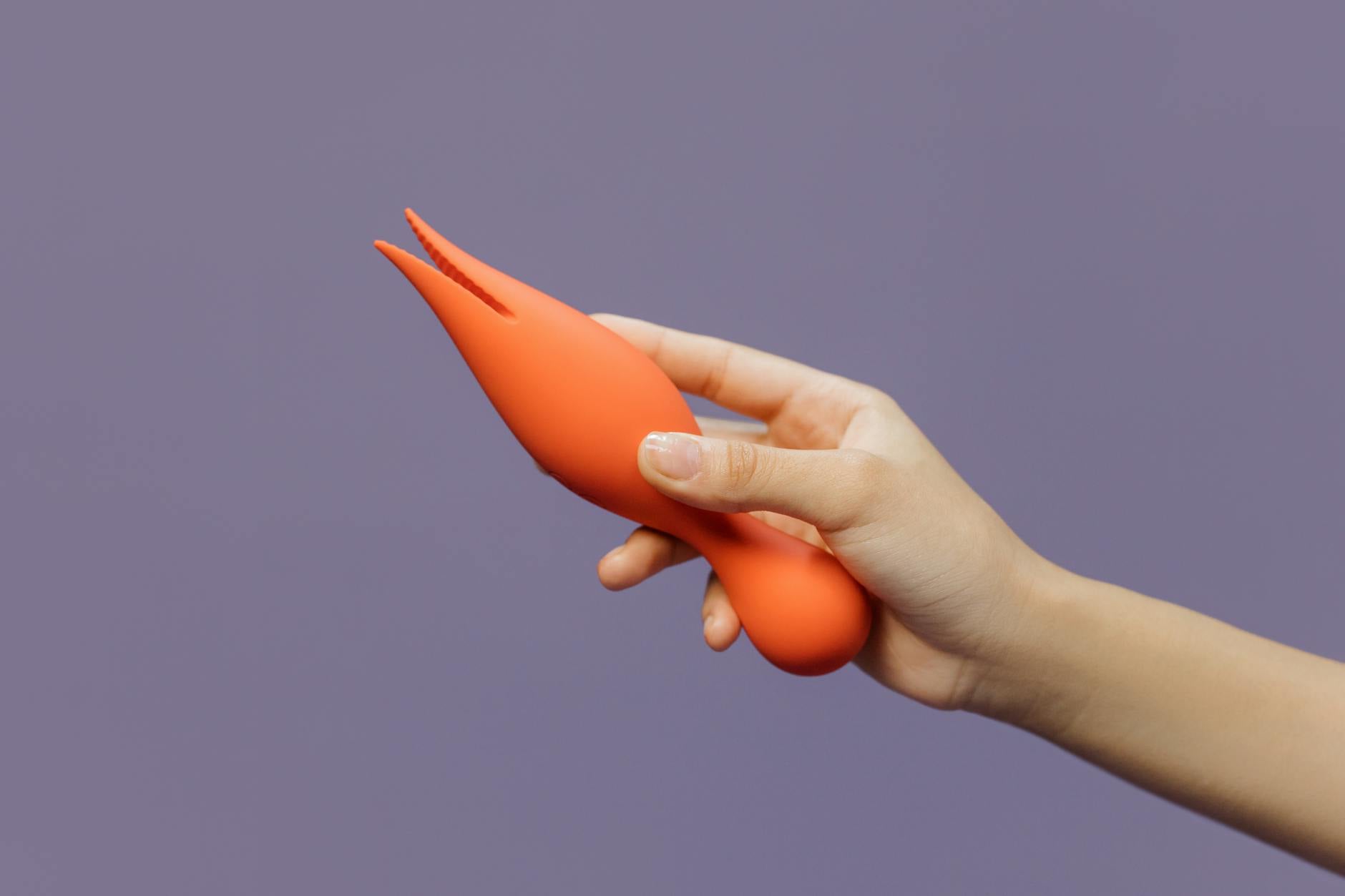
Here's what I've learned: sometimes you don't need to talk first. Sometimes you need to do something. A lemon clitoral vibrator isn't a conversation starter. It's a conversation enabler. It shows, instead of telling, that pleasure matters to you both.
Why avoidance happens (and it's not always shame)
People dodge sex talk for wildly different reasons. Some grew up in homes where pleasure was taboo. Some had partners who mocked their desires. Some have never been given language for what they actually want. Some fear rejection so deeply they'd rather never ask.
But here's the thing I tell couples: avoidance is not the same as disinterest. Your partner shutting down the conversation doesn't mean they don't want pleasure. It often means they don't know how to want it out loud.
When you introduce a lemon vibrator into your shared experience, you bypass the talking part entirely. The toy becomes the conversation. It says "Hey, I care about this, and I'm not asking for permission anymore. I'm inviting you to care about it too."
The setup matters more than the toy
You can't just hand your partner a lemon clitoral vibrator and expect them to be on board. That's actually the fastest way to trigger the exact shutdown you're trying to avoid. Instead, the framing does all the work.
Start solo. Use it alone, in a moment they might notice. Not during sex, not as a surprise mid-act. Just a regular evening, maybe when they're reading in the next room or showering. Let them discover it casually. No explanation needed yet.
Most partners, when they see their person using a pleasure device with genuine comfort and pleasure, become curious. Curiosity is the bridge from avoidance to openness. It's lower-stakes than a conversation. They can wonder without committing to anything.
If they ask what it is, you say it straight: "A lemon vibrator. For my pleasure. I've been wanting to try it." Full stop. No performance, no selling. Just a simple fact.
When they notice and start asking
This is where the real shift happens. The question "What's that?" or "Can I try?" or even just a longer-than-usual stare is them dipping their toe in. They're opening the door a crack.
Don't rush to explain. Let them sit with it. If they want to know how it works, show them. If they want to watch you use it, let them. Some partners will watch for weeks before they want to touch it. That's fine. You're building familiarity.
When they finally do ask to try it, hand it over without big energy. You're not making this a referendum on your relationship. You're just sharing something that brings you joy. The ease you bring to it gives them permission to feel ease too.
Many partners, once they feel how a lemon clitoral vibrator actually works, become fascinated. The suction sensation is different from anything they can do with hands or mouth. It's novel. It's a little luxe. It cracks something open in them.
Using it together without the scary conversation
Here's the beautiful part: you can build sexual exploration together without ever having the "big talk" about desire and pleasure. You can just do it.
Start with him or her using it on you while you're together. Let them see and feel the difference it makes in your body. Most partners, when they realize a toy is making their person feel more pleasure, feel good about that. It's not a threat. It's a gift they're giving.
Then, over time, you can introduce it into partnered sex. Not as a replacement for their touch, but as an addition. "I love this when we're together like this." No negotiation. No asking permission. Just making it part of your shared experience.
Some partners will want to hold it. Some will want to watch. Some will want to use it while you use your hands on them. The specific form doesn't matter. What matters is that you're both choosing to be present with pleasure, without having to say a single difficult word about it.
The conversation that happens after, not before
Here's what I've noticed: once a partner has experienced a lemon vibrator in action, the avoidance often softens. They've crossed a threshold. Pleasure has become tangible and real instead of abstract and scary.
Then, when you do eventually talk, it's different. You're not starting from nothing. You're reflecting on something you've already done together. "I noticed you seemed curious when I used it the other night." "Did you feel the difference it made?" "What was that like for you?"
These are easier questions to answer than "Do you want more pleasure in our sex life?" because they're rooted in experience, not theory.
And sometimes, your partner will open up more easily once they realize you're not asking them to be someone they're not. You're just asking them to explore what's possible. When communication feels hard with your partner, toys like lemon vibrators can actually be the bridge that gets you both to the table.
What if they stay resistant
Some partners will watch and still not engage. Some will get uncomfortable and ask you to put it away. That's real. And it's important information.
If your partner is consistently shutting down pleasure, even indirectly, that's a sign that something deeper is happening. Maybe anxiety. Maybe sexual dysfunction they haven't told you about. Maybe a fundamental mismatch in how you each experience desire.
At that point, the lemon vibrator isn't going to fix the relationship. But it does give you something concrete to bring to a therapist if you decide to go that route. "Here's what I'm trying to do, and here's the resistance I'm meeting." That specificity helps.
Sometimes, a partner's avoidance of pleasure is actually avoidance of intimacy. And no toy, however good, can work around that. But many couples find that when you return to sex after a long break, reintroducing pleasure gradually, including with tools like clitoral vibrators, can rebuild the bridge.
The permission it gives you
Here's something nobody tells you: using a lemon vibrator in front of your partner also gives you permission. Permission to care about your own pleasure. Permission to want more. Permission to not shrink yourself so they feel comfortable.
A lot of people in relationships with partners who avoid sex talk have learned to make themselves smaller. To not ask. To not want. To pretend everything is fine.
When you bring a vibrator into your bedroom, you're saying: I get to have this. Not someday when we're more comfortable. Now.
That's actually powerful. And a lot of partners, on some level, respond to that confidence. They realize you're not going anywhere, and you're not asking for their approval. You're inviting them. There's a difference.
FAQ: When your partner won't talk about sex
Can I use a lemon vibrator without telling my partner first?
You can, but I don't recommend it. Hidden pleasure tools often feel like betrayal. Instead, be matter-of-fact about it. Use it solo in shared spaces. Let them discover it. When they ask, tell them. Transparency is what builds the trust you need for them to eventually engage.
What if my partner thinks using a vibrator means I'm not satisfied with them?
This is the fear underneath a lot of avoidance. Help them understand: a lemon clitoral vibrator isn't about replacing you. It's about deepening sensation. Most partners, once they see it in action, realize it's actually making sex better for you both. You feel more pleasure, which makes them feel better too.
How long before a resistant partner might actually try it?
There's no timeline. I've seen it take weeks. I've seen it take months. Some partners never do. But the ones who eventually engage usually do so once they realize it's not a threat to the relationship. It's an addition. Curiosity follows safety.
If my partner still refuses to engage, should I stop using it?
No. Your pleasure matters. Use it. And recognize that your partner's avoidance of pleasure might be a larger relationship issue worth exploring with a therapist. Sometimes the toy is just the visible symptom of something deeper.
Can I use a lemon vibrator during partnered sex if we haven't talked about it yet?
Approach it the same way: show, don't tell first. Use it during solo time. Let them see. Then, when you're together, introduce it naturally. "I love this sensation, come feel it with me." Less negotiation, more invitation.
What if introducing a vibrator makes things worse?
If your partner becomes angry or dismissive, that's worth paying attention to. Resistance is normal. Anger might point to deeper issues around control, insecurity, or shame. That could be something to work through with a couples therapist, not just something to work around with a toy.
The real shift
You can't force someone to talk about pleasure. But you can make pleasure undeniable. A lemon vibrator does that. It's not subtle, but it's not aggressive either. It just exists, and it works, and it feels good.
Your partner's avoidance of sex talk doesn't have to be permanent. Sometimes it just needs a different approach. And sometimes that approach looks like taking the conversation out of the bedroom and putting it in your body instead.
The goal isn't to pressure your partner into enthusiasm. It's to show them, over time, that pleasure isn't dangerous. It's not something to fear or avoid. It's something that makes you both feel more alive.
Once they feel that, the talking often follows naturally. And then you actually get to have the conversation you've been wanting all along. Not because you finally found the magic words. But because you made pleasure real enough to discuss.