Let's name what's actually happening
Here's the thing nobody says out loud: sometimes your partner stops wanting sex with you. Not because they don't love you, not because something is "wrong" with you, but because they're exhausted, touched out, dealing with stress, managing a health issue, or simply experiencing a shift in their own desire.
The temptation is to turn this into a story about yourself. I'm not attractive anymore. I'm too much. Something is broken in us. But this is actually a story about them. And you still deserve pleasure. That separation is everything.
Why solo pleasure matters right now
When partnered sex stops, many people abandon self-pleasure too. It feels like giving up, or like you're settling. The opposite is true. Solo pleasure is actually the most honest conversation you can have with your own body during this transition.
Using a lemon vibrator or any clitoral vibrator on your own does three critical things. First, it reminds your nervous system that pleasure is still accessible to you, which matters for your sense of self when the partnership feels stalled. Second, it gives you reliable data about what you actually want and need, which becomes the foundation for any future conversation with your partner. Third, it keeps you from swallowing resentment quietly while waiting for your partner to come back to sex. That resentment is the real relationship killer, not the absence of sex itself.
How to start using a lemon vibrator solo when partnered sex has paused
Set a deliberate schedule. Not because you're forcing it, but because deliberate beats random. Pick two or three evenings a week. Knowing it's coming makes it easier to clear your head beforehand and actually show up curious instead of rushing through it. This is especially important if you've spent weeks feeling rejected.
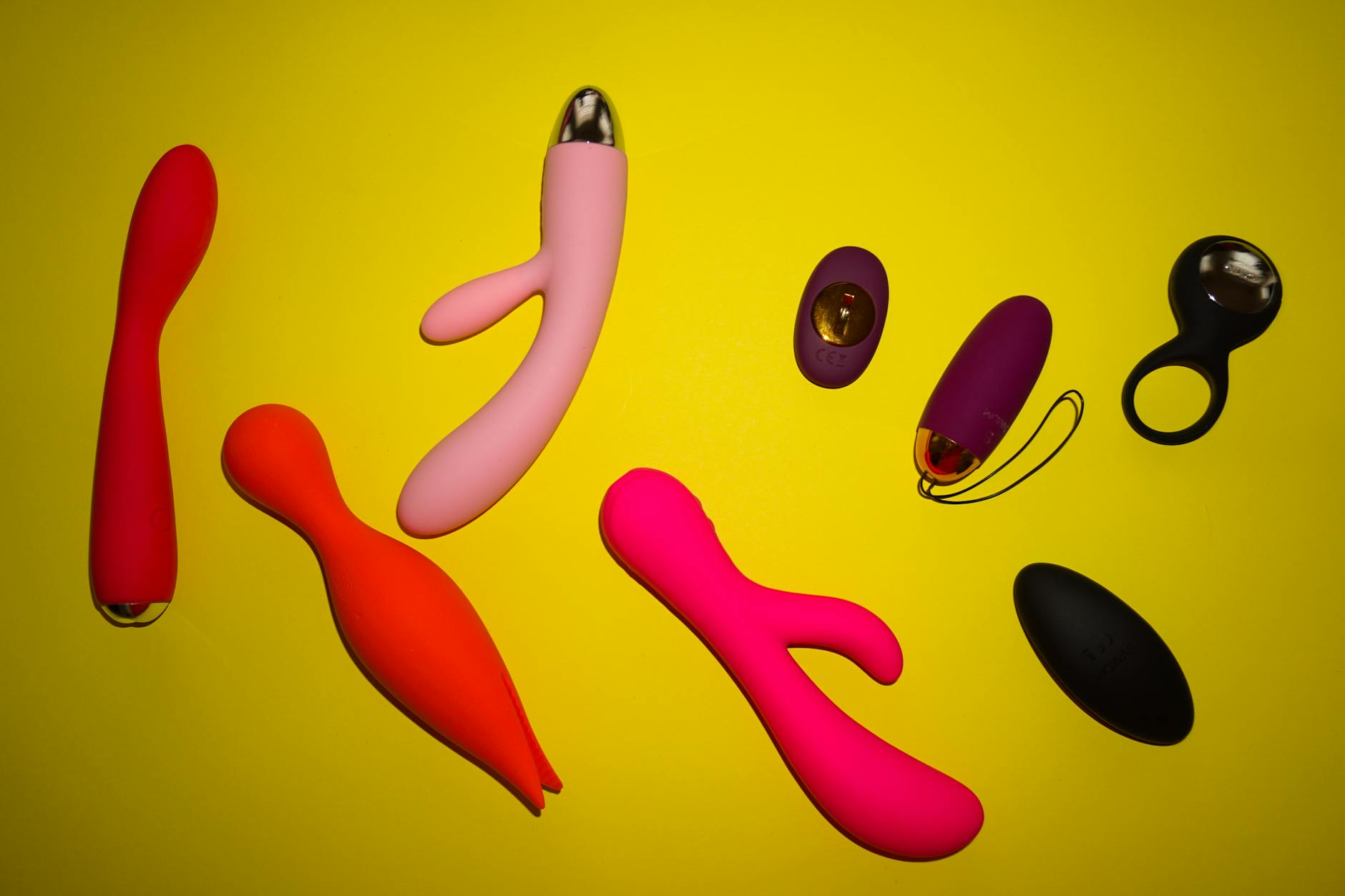
Start without the vibrator. Spend five to ten minutes on your own first. Notice what your body wants. This matters because when your partner is unavailable, your nervous system sometimes forgets that pleasure is even possible. You're re-teaching your body that it deserves attention. Then introduce the Lem or whichever lemon clitoral vibrator you choose.
Use it the way that feels good, not the way you think you "should." Many people revert to how they used vibrators before when they had a partner. Try different patterns. Try longer warm-up time. Try starting on lower intensities. This is the moment to actually discover what you want instead of falling back into familiar grooves.
Don't frame it as a substitute for partnered sex. This is crucial. Solo pleasure with a lemon vibrator isn't a backup plan while you wait for your partner to want you again. It's its own thing. It has its own value. The more you treat it that way internally, the less resentment builds.
What to do about the emotional weight
Using a vibrator when your partner doesn't want sex comes with real feelings. Loneliness is common. So is anger. Sometimes relief, which brings guilt. And often a weird shame, like you're supposed to be patient and sexless and grateful that your partner is still around.
None of that shame is useful.
What helps is separating the two things completely. Your partner's unavailability is a real relationship problem that needs a real conversation. That conversation shouldn't happen during or around sex. It's a different conversation entirely. "I miss being close to you" and "I need you to engage with my pleasure" are both true, but conflating them just tangles everything.
Solo pleasure with a lemon clitoral vibrator is the thing you do for yourself. It's the conversation you have with your own body. Keep it there.
When your partner notices (and they will)
If you're sharing space, your partner might figure out you're using a vibrator. This is not a moment to panic or apologize. Some partners feel threatened. Some feel relieved (now you're taking care of your own needs and they don't have to). Some feel guilty, which can actually be productive because it might push the real conversation forward.
If it comes up, the honest line is simple: "I'm taking care of my own pleasure because it matters to me, not as a replacement for us." You can add: "I'd like to talk about what's shifted between us, but separately from this." Then actually have that conversation. Not during sex. Over tea. With time to really listen to what's going on.
Signs that this is helping versus hurting
Solo pleasure is working if you feel more like yourself, less resentful, and more connected to your own desires. If after a month of regular solo time you feel MORE angry at your partner, that's useful data too. It means the core issue isn't actually sexual. It's about feeling unseen or rejected in other ways, and the sex is just where that's landing.
It's not helping if you're using it to numb out shame or pain, or if you're using it as a way to avoid the actual conversation that needs to happen. A lemon vibrator is a tool for pleasure, not a painkiller for a broken relationship. If your partnership feels broken, the vibrator won't fix it. But it will keep you from disappearing while you figure out what to do.
The difference between waiting and choosing
Here's the distinction that changes everything. When your partner stops wanting sex, you have two modes: waiting (hoping they come back) or choosing (actively maintaining your own connection to pleasure regardless). Those feel wildly different in your body.
Waiting feels passive and fragile. Choosing feels grounded. Using a lemon sucker or clitoral vibrator on your own schedule, for your own reasons, shifts you into the choosing mode. That's not selfish. That's self-preservation.
Your partner's desire might return. It might not. But either way, you'll still be here. You'll still be someone who knows how to access pleasure, who knows what she wants, who didn't disappear while waiting. That person is far more likely to have a healthy next conversation than someone who's been quietly resenting her partner for six months.
When this means something bigger
Sometimes a partner stepping back from sex is temporary. Sometimes it's about burnout or medication or stress. Sometimes it's a sign that the relationship has shifted in ways that need attention. Those are different conversations.
But they're all conversations you'll have better if you're grounded in your own body and your own pleasure. When emotional intimacy fades with your partner, solo pleasure isn't a substitute for rebuilding connection. But it's a base. It's proof that you're still you, that your desires haven't evaporated just because someone else has stepped back. That matters.
Use the time when you're alone to get clear on what you actually want. Not what you think you should want. Not what you're willing to settle for. What you actually want. Then bring that clarity into the conversation with your partner.
People also ask
Is it normal for my partner to not want sex while I still do?
Completely normal. Desire is rarely synchronized perfectly. One partner often has a much stronger sex drive, or one person is dealing with stress, health issues, burnout, or depression that temporarily kills interest in sex. This doesn't mean your partner isn't attracted to you or doesn't love you. It means they're dealing with something that's disconnected from your partnership. The mistake is treating it as a referendum on your desirability.
Will using a lemon vibrator make my partner feel more rejected?
It might, depending on your partner's relationship to sexuality and self-worth. But here's what's true: your partner's discomfort with your self-pleasure isn't actually your responsibility to manage. If they're not interested in partnered sex but also don't want you to have solo pleasure, that's a control issue that needs a separate conversation. You deserve to have an orgasm. Your partner doesn't get to choose that you don't.
Should I tell my partner about using a clitoral vibrator?
That depends on your relationship and living situation. If you share a space and they might find it, honesty is easier than discovery. If you have privacy, you get to choose. But know this: you're not doing anything wrong. You're not cheating. You're not being unfaithful. You're maintaining your own sexual health while your partner steps back from sex. That's a completely reasonable thing to do without confession or permission.
How often should I use a lemon vibrator when my partner isn't interested in sex?
As often as feels good. There's no number. Some people benefit from twice a week. Some prefer once a month. Listen to your body. The goal isn't to stay "managed" or less frustrated. The goal is to stay connected to pleasure as something that belongs to you, regardless of your partner's availability.
Can using a vibrator on my own help me figure out what I need in partnered sex?
Yes, absolutely. Solo time with a clitoral vibrator is one of the clearest ways to learn what patterns, speeds, and sensations actually work for your body. You can then bring that information into conversations about what might help when your partner does want sex again. You're not asking them to guess. You're showing them.
What if my partner's lack of interest in sex means the relationship is over?
That's possible. Sometimes sexual mismatch is a symptom of something deeper that can't be fixed. But you won't know that until you actually talk about it. Using a lemon vibrator for your own pleasure doesn't prevent that conversation. If anything, it gives you the clarity and groundedness you need to have it honestly. If the relationship can't sustain the conversation, then you'll know. And you'll have the knowledge that you didn't disappear while waiting to find out.
Your pleasure isn't conditional
Let's be clear: your body's right to pleasure doesn't depend on your partner's availability or interest. When someone steps back from sex, it's easy to internalize that as a full stop on your sexuality. It's not. A lemon clitoral vibrator is a way to stay in conversation with yourself while your partnership shifts. That's not selfish. That's honest. That's the ground you need to stand on to have any real conversation about what comes next.
Your partner's choice to pause sex is theirs. Your choice to continue having pleasure is yours. Both things can be true.