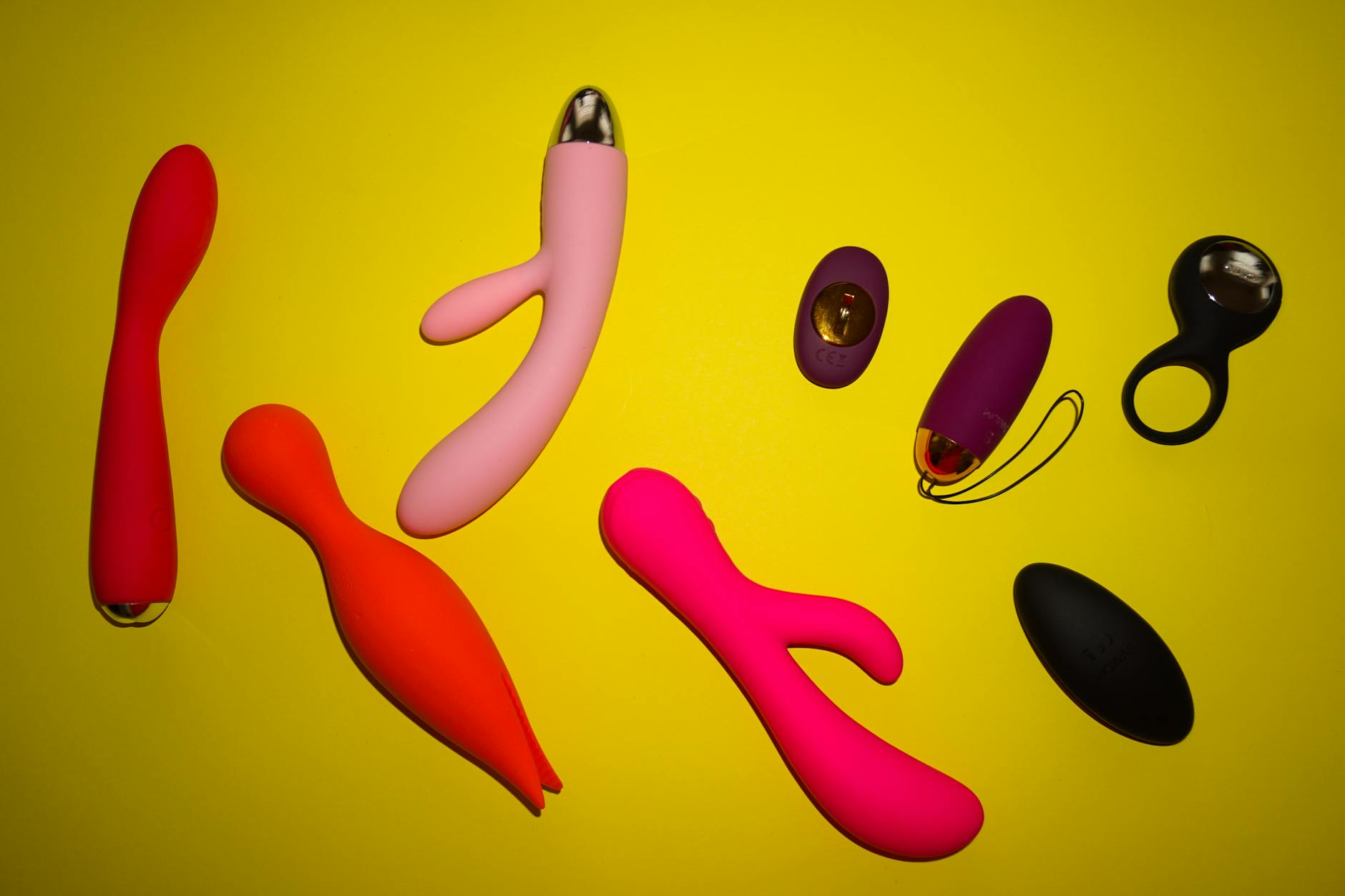
Let's talk about the real awkwardness
You've been seeing someone for three months. Things are good. The sex is decent, maybe even exciting. But you own a Lem vibrator, and you want to use it with them, and the thought of bringing it up makes your stomach drop.
Here's what's actually happening: you're not worried about the toy itself. You're worried about what the toy means. Does asking for it signal that they're not enough? Will they feel rejected or emasculated? Will they think you're weird? The toy becomes a symbol for something much bigger than a piece of silicone and suction.
This is the exact moment where most people either stay silent or blurt it out awkwardly at a vulnerable moment. Both options create unnecessary friction. There's a third way.
Why the timing conversation matters more than the toy conversation
Introducing a lemon clitoral vibrator early in dating isn't inherently weird. The weirdness comes from poor framing. If you spring it on someone mid-sex without context, they're navigating three things at once: surprise, potential insecurity, and altered intimacy. That's a setup for misunderstanding.
The conversation needs to happen outside the bedroom first. Not days before, not weeks before. Hours before, when you're both clothed and your nervous systems are regulated.
Why? Because the person you're dating needs time to move from surprise to curiosity to openness. That process takes time. If they have any hesitation, they need space to work through it without feeling like they're rejecting you in the moment.
The opening line that actually works
Forget leading with the toy. Lead with pleasure.
"I want to tell you something about what feels good for me. It's not because anything's missing with you. It's just a specific way my body responds that I want to explore together. I have a clitoral vibrator I really like. Would you be open to using it with me next time we're intimate?"
Notice what you've done: you've centered your own pleasure, not the toy's performance. You've explicitly said this isn't a referendum on them. You've asked a clear yes-or-no question that gives them agency.
Most people will say yes. Some will say they need to think about it. A small number will say no, and that information matters early.
If they ask questions, answer honestly. Don't oversell. "It's air-pulse technology, so it feels different from friction. It gets me there faster." That's all the detail they need right now.
What insecurity actually sounds like (and how to respond)
Some partners will go quiet. Others will say things like "Aren't I enough?" or "Do you not like what I do?" or "I thought you were satisfied."
This isn't them rejecting the toy. This is them processing a perceived threat to their sexual competence. It's a real feeling, and it deserves a real response.
Don't minimize it. Don't say "It's not a big deal." Don't give a clinical explanation about clitoral anatomy. Instead, be specific about what you like about them sexually. "I love how you touch me. This is just a different kind of sensation that my body responds to. They're not mutually exclusive."
Then, crucially, involve them. Ask them to hold the Lem vibrator. Ask them where they want to use it. Make it collaborative, not you plus a tool. The moment they're holding it, the dynamic shifts from "toy or me" to "us exploring something together."
This is where the specific design of air-pulse lemon vibrators becomes an asset. The suction sensation is distinct enough that it doesn't feel like a replacement. It feels like an addition.
When they're hesitant (and why that's actually useful data)
Maybe they're uncomfortable with sex toys. Maybe they grew up with shame around pleasure. Maybe they're worried about their own performance. Whatever the reason, pushing past genuine hesitation is a mistake.
Here's what I tell my clients: a partner who can't meet you on pleasure, even halfway, is showing you something important about compatibility early. That's valuable information.
But there's a difference between "I need time to warm up to this" and "I don't want toys in our sex life." If it's the former, patience works. Suggest starting without the toy involved. Let them watch you use it solo. Let them see that it's not threatening, it's just you exploring your own body. Sometimes the resistance softens when the pressure is off.
If it's the latter, you get to decide what that means for the relationship. If clitoral pleasure with a lemon vibrator is important to you, and they're unwilling to engage with it at all, that's a compatibility issue. It's better to know that now than to bury it and resent them later.
The first time using a Lem vibrator together
Don't lead with intensity. Start with the lower settings. Let the sensation be familiar before you introduce the toy. Many people find that early comfort with a partner's body makes the addition of a vibrator feel natural rather than jarring.
Talk during. "Does this feel good?" "Do you want me to move?" "Is the pressure okay?" This isn't clinical. It's intimate. You're inviting them into your pleasure, not lecturing them about it.
If they're holding it, guide their hand gently. Show them the rhythm that works. This is collaborative pleasure, and collaboration requires communication. It also requires presence from them, which actually deepens the experience for many couples.
Afterwards, don't over-explain. Don't apologize. Don't ask if they were uncomfortable unless something visibly shifted. Just acknowledge it. "I'm glad we tried that together" is enough.
The conversation that happens after
If they're still skeptical or quiet, give it a few days. Then ask directly. "I want to check in about the vibrator. How are you actually feeling about it?"
Listen to the answer. If they loved it, great. If they're warming up, that's fine too. If they hated it and never want to see it again, you know what you're working with.
What you're really testing here is whether they can hold space for your pleasure even when it looks different from what they expected. That skill matters in long-term relationships, far beyond sex toys.
Why this matters for the relationship
You're not just introducing a clitoral vibrator. You're teaching your partner that your pleasure is worth discussing. You're showing them that vulnerability can lead to deeper intimacy, not less. You're modeling how to have a conversation about something uncomfortable without shame.
If they can do this well, they can usually do other hard conversations well too. If they can't, that tells you something about whether they're a long-term fit.
The lemon vibrator becomes a low-stakes way to practice partnership around pleasure. And that practice changes how you can relate to each other about almost everything else.
People also ask
Is it weird to introduce a toy this early in dating?
No. Three to six months in is actually ideal. You've built some trust, but not so much that they feel like they should have known about this already. Waiting until year two often backfires because your partner feels blindsided. Early is honest.
What if they think I'm using the vibrator because I'm not attracted to them?
That's the insecurity talking, not reality. Reframe it clearly: clitoral stimulation is a specific kind of sensation that your body needs. It has nothing to do with attraction. You can be wildly attracted to someone and still benefit from a lemon clitoral vibrator. These aren't competing forces.
Should I offer to let them use toys on themselves too?
Only if you want to. Many partners feel more at ease when toys aren't one-directional. But if you're not comfortable with that, you don't have to offer. Set the boundary clearly though, so there's no resentment later.
What if they want to use a vibrator but I don't want one used on me?
Perfectly valid. You can use toys on them without having them used on you. Just be clear about that early so they're not disappointed or confused mid-intimacy.
How do I know if the Lem vibrator is the right toy to introduce first?
Air-pulse lemon vibrators are actually ideal for couples play because the sensation is novel and distinct. It doesn't feel like a replacement. It feels like something new you're discovering together. The suction technology also means less direct contact, which some partners find less threatening than traditional vibrators.
What if they want to use the vibrator but I feel weird watching them use it?
That's a separate boundary conversation. You're allowed to like something in private that you're not ready to watch. But I'd gently challenge you on that. Watching a partner experience pleasure is often less weird than you think. It requires different comfort, but it's worth building.
Introducing pleasure tools to a new partner is just communication practice wearing a different hat. If you can talk about a lemon vibrator without shame, you can talk about almost anything. And that's the real gift.