Let's be real about the elephant in the room
Introducing a vibrator to partnered sex triggers something primal in a lot of people. For some, it feels like admitting the current setup isn't working. For others, it lands like a rejection. For plenty of partners, it's just unfamiliar territory, and unfamiliar territory at intimate scale feels risky.
None of those feelings are wrong. They're also not reasons to skip this conversation.
Here's the thing: clitoral vibrators like lemon vibrators aren't a workaround for bad partnered sex. They're an upgrade to good partnered sex. The research is clear, and so is the clinical experience. People with vulvas orgasm more reliably, more intensely, and more quickly with clitoral stimulation during partnered sex. That's not a flaw in your partner. That's anatomy.
The conversation that actually works
Don't ambush the topic. Don't treat it as a problem that needs solving. Frame it as an exploration, not a fix.
Good opener: "I've been thinking about trying something new together. I read that a lot of couples use clitoral vibrators, and I'm curious what you think." Notice what you're not doing. You're not saying "I can't come without one" or "I'm not satisfied." You're not framing it as your individual need. You're positioning it as something you want to explore as a team.
If they push back, don't defend. Just ask why. Most resistance comes from one of three places.
Insecurity. "Will you still need me?" or "Am I not enough?" This is real, and it deserves a straight answer. The truth is a vibrator does one thing your body does not. It creates sustained, targeted stimulation at an intensity and speed that human hands and mouths simply cannot match for hours on end. That's not a referendum on your partner's skill. It's physics. Tell them that.
Discomfort. Some people were raised to believe sex toys are shameful or extra. They need permission to change their mind. You can offer that. "I know it might feel weird at first. I'm excited to figure it out together."
Practical concern. "What if I finish and we're left awkward?" This is actually a fair question, and it has a real answer. We'll get to it.
The first time you use it together
Start without the pressure of intercourse. Foreplay only.
This is not a workaround. This is smart. It gives you both a chance to get comfortable with the device without the performance pressure of partnered sex timing. Light a candle, take your time, and just explore what it feels like. Your partner can hold it, you can hold it, you can try different patterns and speeds.
Use lube. Always. Water-based lube makes everything easier, and it's less likely to feel like you're introducing a foreign object into an already sensitive space.
Talk during it. Not clinical talk. Emotional, responsive talk. "This feels good," or "Try pattern three," or "That's it." This keeps your partner involved and reminded that they're part of your pleasure, not an audience to it.
When to integrate it into intercourse
Once you're both comfortable with the device itself, you can bring it into partnered sex. The most natural entry point is during penetration, using the vibrator on the clitoris while your partner is inside you.
Your partner can hold it. You can hold it. There's no rule. The only rule is communication about what's working. "Can you angle it slightly left?" or "A bit slower?" These aren't criticisms. They're navigation.
Timing matters. Some people like the vibrator from start to finish. Some like it only at the end, once they're close. Experiment. There's no wrong answer as long as both people are into what's happening.
The pressure about finishing is real, so let's address it directly. Sometimes using a vibrator means you'll orgasm before your partner. That's not a problem if you plan for it. Talk beforehand. "If I come first, I'd love to keep going and help you finish," or "Let's switch to something else," or "I might be done, and that's okay." This removes the weird performance anxiety that kills everything.
The emotional stuff beneath the logistics
Introducing a vibrator often stirs up feelings that have nothing to do with the vibrator itself. You might feel vulnerable. Your partner might feel insecure. These feelings are worth honoring, not bypassing.
After the first few times, check in with each other. Not clinical. Genuine. "How did that feel for you?" or "Was there anything weird?" Give space for honesty. If your partner felt disconnected, that's data. Maybe you need more eye contact. Maybe you need more physical touch with the other hand. Maybe your partner needs to hold the vibrator instead of you holding it. The device itself is neutral. How you use it together determines whether it brings you closer or creates distance.
Here's what I've seen work with couples who fully integrate vibrators into their sex life. They report higher satisfaction, more frequent orgasms (obviously, since that's the mechanism), and paradoxically, stronger emotional connection during sex. Why? Because they solved a real friction point together. They communicated about something vulnerable. They prioritized each other's pleasure without resentment. That builds intimacy in ways that pure technique never does.
Common hiccups and how to handle them
The device feels clinical or cold. Use it on your own first, warm it up in your hands, and introduce it gradually. The novelty wears off after a few uses, and it starts feeling like a natural part of your repertoire.
Your partner feels sidelined or like they're doing it wrong. Reassure them that technique doesn't matter as much as presence. Have them use their free hand on your body, maintain eye contact, move with you. The vibrator is a tool, not a replacement.
You finish too quickly and feel self-conscious. Don't. Your body's job is to feel pleasure, not to perform on a schedule. If that's the pattern, own it. "I really like this, and I come fast. Let's talk about what happens after." Most partners would rather know the plan than navigate awkward silence.
One of you gets bored or wants to try something different. That's healthy. Sex with the same person for years gets stale if you're not exploring. The vibrator conversation is really a gateway to bigger conversations about pleasure, desire, and what you both want from your intimate life.
The practical stuff matters
Cleaning and storage are unsexy but real. Silicone toys clean easily with soap and warm water. Keep it in a discreet place where you can access it without performance anxiety. Some couples keep theirs in a bedside drawer in plain sight. Some prefer it hidden. There's no shame in either choice.
Battery life matters. Nothing kills arousal faster than a dead vibrator halfway through. Charge it before you plan to use it, not during.
Privacy and trust matter. If you share a home with kids or roommates, make sure you're both comfortable with where this lives and who knows about it. These conversations feel awkward until they're over. Then they're just logistical.
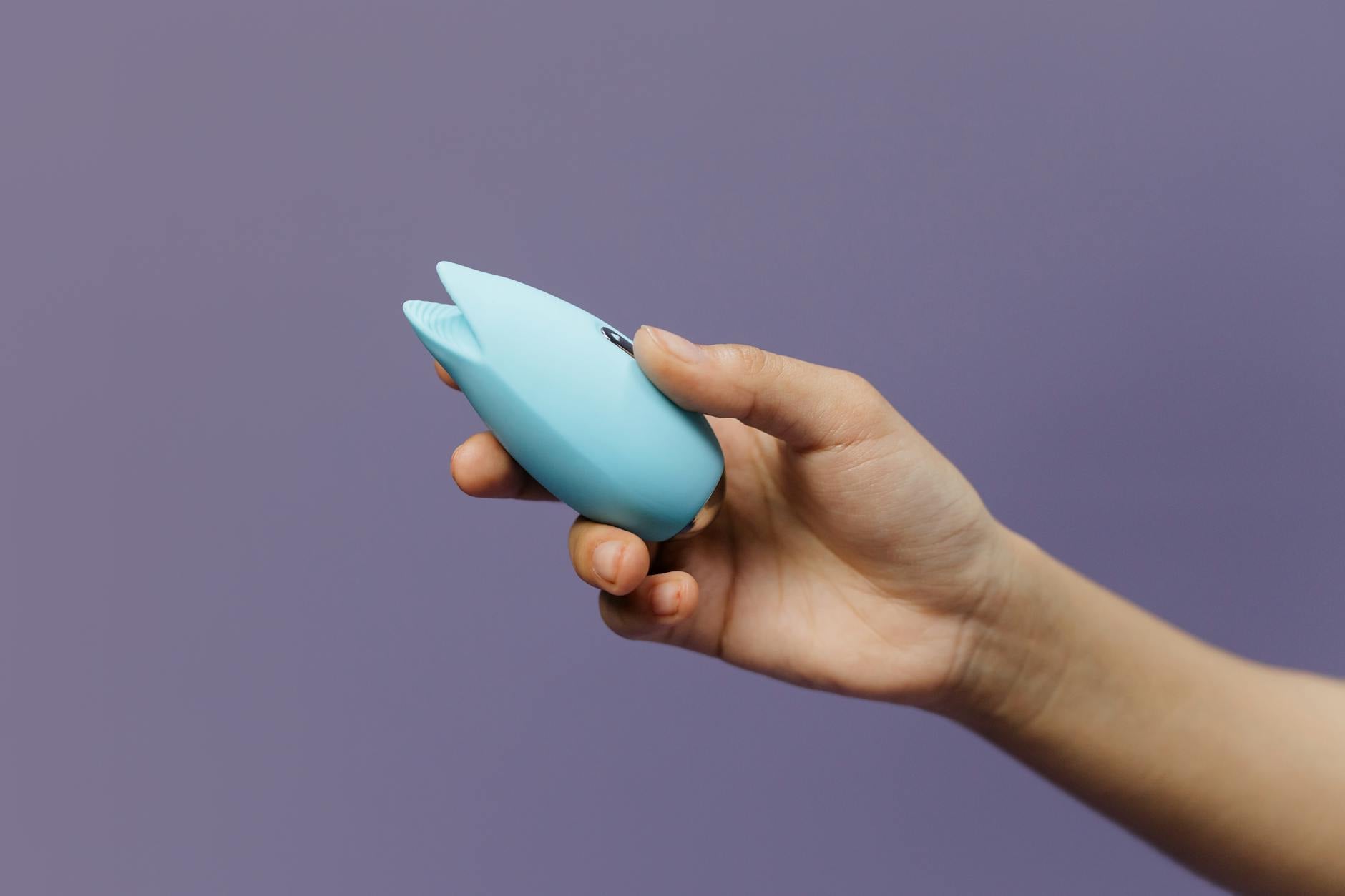
Lemon vibrators and other clitoral suction devices work differently than traditional vibrators. They use gentle suction and pulsing to stimulate the clitoris rather than straight vibration. This often feels more intense and more localized. Mention this to your partner so they understand why the experience might feel different than what they've tried before.
The real payoff
What I've seen in my practice over decades is this. Couples who introduce toys together don't drift apart sexually over time. They stay curious. They keep communicating. They normalize asking for what they want. Those are the couples who report long-term satisfaction, even in marriages that span decades.
You're not fixing anything broken by bringing a lemon vibrator or any clitoral vibrator into your sex life. You're investing in sustained pleasure, ongoing communication, and a partnership where both people's bodies and desires matter equally. That's not awkward. That's intimacy.
Frequently asked questions
What if my partner refuses to use a vibrator with me?
That's their boundary, and it's valid. But dig into why. If it's shame, that's worth examining together, maybe with a therapist. If it's practical concern, you can solve it. If it's "I just don't want to," that's different. You can use it alone during partnered sex, or you can decide this isn't negotiable for you. Either way, the conversation is more important than the vibrator.
Can lemon vibrators damage the clitoris?
No. The clitoris is resilient. Using a vibrator on the highest setting for hours every day might cause temporary numbness, but that resolves quickly. Normal use is completely safe. The stimulation won't permanently change sensation or function.
How do I know which vibrator to try first with my partner?
Start with something flexible and quiet. Lemon vibrators are designed for couples play because they're manageable in size and intuitive to use. Many come with multiple intensity levels, so you can adjust without stopping to fiddle with settings. Read a buying guide together if you want, but honestly, any decent clitoral vibrator will work fine for exploration.
What if using a vibrator makes sex feel less intimate?
That usually means something else is missing. Are you touching each other otherwise? Are you making eye contact? Are you talking? The vibrator is a tool, not a replacement for physical and emotional presence. If introducing it created distance, the vibrator didn't cause that. It just revealed it. That's valuable information.
How often do couples who use vibrators together report higher satisfaction?
Studies vary, but the trend is consistent. Couples who communicate openly about pleasure, who prioritize each other's orgasms, and who explore together report higher relationship satisfaction overall. The vibrator is just the vehicle for that conversation and exploration.
Should I use a vibrator every time, or keep it special?
Neither is right. Some couples use one multiple times a week. Some save it for special occasions. The point is intentionality. If you're using it because you want to, not because you feel like you have to, you're doing it right.
The bottom line
Introducing a clitoral vibrator to partnered sex is one of the most direct routes to better communication, more reliable pleasure, and sustained intimacy. Yes, the conversation is awkward. Yes, the first time feels unfamiliar. And yes, it's completely worth it.
Your pleasure matters. Your partner's pleasure matters. Finding ways to prioritize both of those things, together, is what builds lasting connection. A vibrator is just the mechanism. The real work is the conversation, the vulnerability, and the willingness to keep exploring each other's desires over time.
Start the conversation. Be honest about why you want to try it. Listen to what your partner needs to feel safe and included. Then give yourself permission to enjoy it without guilt or performance pressure. That's the work. And that work changes everything.