Here's what nobody tells you about anxiety meds and sex
You're on an SSRI or SNRI because it works. Your anxiety is manageable. Your panic attacks have stopped. And then something else shifts: arousal takes longer to arrive, or it doesn't show up at all. Orgasms feel distant. Sensation dulls. You're not broken. Your medication isn't punishing you. But something real is happening, and pretending it isn't won't fix it.
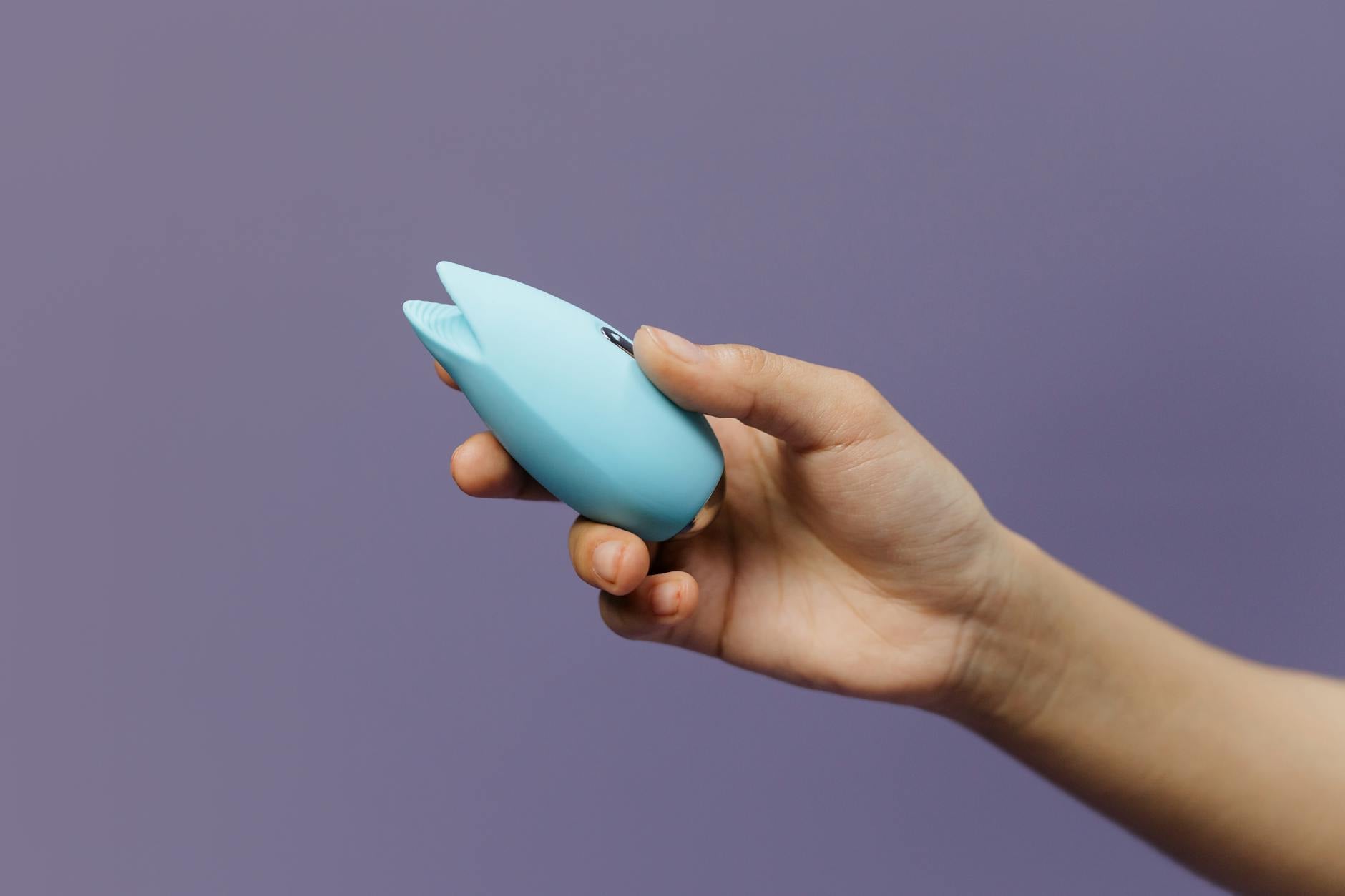
The good news is that lemon vibrators, specifically the air-suction design of devices like the Lem, work differently than traditional vibration in ways that often bypass medication-related numbness. I want to walk you through what's actually happening in your body, why it matters, and how to use these tools without guilt or second-guessing.
What anti-anxiety medication does to arousal
SSRIs (like sertraline, fluoxetine, paroxetine) and SNRIs (like venlafaxine) don't directly kill desire. What they do is increase serotonin availability in your brain, which dampens the urgency signals that usually precede sex. That's partly the point. But it also means the switch that normally flips from "I could have sex" to "I want to have sex right now" takes longer to trip. Or sometimes it doesn't trip at all.
On a physical level, these medications can reduce genital blood flow and slow the speed at which your body builds arousal. Orgasms may feel less intense because the nervous system is slightly less reactive overall. Some people experience a complete loss of orgasm capacity on certain meds. Others notice it returns on specific days of the month, or only under specific conditions.
Here's what doesn't change: your capacity to experience pleasure. The nerve endings in your clitoris are still there. The brain regions responsible for sensation are intact. The interruption is neurochemical, not structural.
Why lemon suction vibrators feel different
Traditional vibrators work by stimulating nerves through rapid oscillation. This is effective, but it requires a baseline level of nerve sensitivity. When you're on medication that's dampening nerve signal transmission, you're essentially trying to ring a doorbell that's already muted.
Air-suction technology like the Lem works by creating a seal and then gently drawing tissue into the device. This isn't vibration. It's a different kind of sensation. It creates pressure changes and rhythmic suction that stimulate a much larger area of tissue at once, which means fewer nerves have to fire for you to feel something. In clinical terms, it lowers the activation threshold.
Many people on anti-anxiety medication report that they can feel suction-based stimulation when traditional vibration produces nothing. This isn't placebo. The mechanism is genuinely different.
How to start: the practical steps
First, timing matters. Anti-anxiety medications reach peak effectiveness at different times depending on the drug and your dose timing. If you take yours in the morning, your nervous system may be slightly more responsive in the evening. Fluoxetine has a long half-life; paroxetine's effects fluctuate more noticeably throughout the day. Spend a week noting when you feel most present, most like yourself. That's your window.
Second, patience is non-negotiable. Without medication, arousal might build in 5 minutes. On it, budget 20 to 30 minutes. This isn't a failure. It's just the new timeline. Some people find that this extra time actually improves the overall experience because there's less pressure and more room for genuine desire to emerge.
Third, start at the lowest intensity. The Lem and similar lemon clitoral vibrators have multiple settings. Begin at level 1 and stay there for at least three sessions. Your nervous system is already processing medication. Adding intense sensation on top of that can feel overwhelming rather than pleasurable. Slow integration works better.
Fourth, use lube. Even if you don't usually need it, the combination of medication-related dryness and suction devices means lubricant makes a real difference. Water-based lube is safest for silicone toys. Apply generously.
When medication timing becomes part of the solution
Here's something I've noticed with clients: once they stop fighting the medication's timeline and start working with it, sex becomes more intentional and often more satisfying. If you take your SSRI at 8 a.m., and it reaches peak effectiveness at 2 p.m., and it's noticeably less active by 10 p.m., you now have information. Some people schedule partnered sex for earlier in the evening. Others find that solo exploration works better later at night when the medication is wearing off and their nervous system is slightly more reactive.
This isn't about being ruled by your medication. It's about respecting how your brain is currently wired and building pleasure around that reality instead of against it.
If you're with a partner, this conversation matters. "My meds change when I can feel sensation" is not the same as "I don't want you." Separating those two statements prevents a lot of unnecessary hurt.
The medication conversation you should have
If sexual side effects are significant enough that they're affecting your quality of life or your relationships, it's worth talking to your prescriber. You have options. Some people switch to a different SSRI that has a lower sexual side effect profile (bupropion, for instance, sometimes has fewer effects on arousal than sertraline). Others add a second medication to counteract the sexual effects. Some people time doses differently. None of these conversations will happen unless you bring them up.
Your doctor won't be shocked or judgmental. Sexual side effects are one of the most common reasons people stop taking psychiatric medications, and your prescriber would rather have a conversation about lemon vibrators than have you discontinue a medication that's working for your anxiety.
What to expect from lemon clitoral vibrators on your medication
Realistic expectations: The Lem won't give you the same instant, fireworks-level orgasm you might have had before medication. What it will do is create a pathway to sensation when the pathway felt blocked. For many people on anti-anxiety meds, that's revolutionary.
Some users report that they need to use the device for longer sessions (15 to 25 minutes instead of 5 to 10) to build toward orgasm. Others find that their orgasms change in quality rather than disappearing entirely. They become more localized, less explosive, sometimes more meditative. That's not worse. It's different.
A few people find that their medication dose stabilizes over time and sexual function improves without any changes. The nervous system adapts. It's unpredictable, but it happens.
Combining solo practice with partnered sex
If you're in a relationship, using a lemon suction vibrator solo first allows you to map your own nervous system without the added variable of another person. Once you know what works, what doesn't, and what timeline you're operating on, integrating that into partnered sex becomes easier.
Some partners feel left out or insecure when toys enter the picture. That's a separate conversation from medication. How to use lemon vibrators with a partner without awkwardness directly addresses that dynamic.
The permission piece
I want to say this plainly: taking medication for your mental health and using a vibrator for your physical pleasure aren't contradictory. They're both taking care of yourself. Your anxiety medication is keeping you stable enough to have a life. A lemon clitoral vibrator is honoring the fact that pleasure and sensation matter, even if your nervous system is currently under different operating conditions.
You're not broken. You're not less sexual. You're adapting.
Frequently asked questions
Can I use a lemon vibrator immediately after starting anxiety medication?
Yes, but give yourself two to three weeks first. When you start SSRIs or SNRIs, your nervous system is adjusting to the chemical shift. Adding new sensations during that adjustment period can feel overwhelming. Once you've hit a stable point on your dose, introducing a lemon clitoral vibrator is safe and often helpful.
Will my orgasms come back if I stay on my medication?
Maybe. Some people's bodies adapt over months or years, and sexual function partially or fully returns. Others find it remains altered, and that becomes their new baseline. Using a lemon suction vibrator can help you rebuild pleasure within whatever your current nervous system can produce, rather than waiting for it to change.
Is it okay to use a lemon vibrator if I'm also taking other medications?
Generally yes, as long as those medications aren't specifically contraindicated with sexual activity. If you're on blood thinners, for instance, you'd want to avoid anything that risks trauma to genital tissue. For most people on standard medication combinations, a lemon clitoral vibrator is totally safe. If you're unsure, ask your pharmacist. They have a complete picture of your medication profile.
What if I feel nothing even with the lemon vibrator on the highest setting?
First, make sure you've genuinely given it time. Three sessions minimum at low intensity. Second, consider whether your medication dose might need adjusting. Some people find that at their current dose, sexual function is too suppressed to navigate. That's valuable information for your prescriber. Third, confirm you're using adequate lubrication and that the device is in contact with the right area. The clitoris has an internal structure; the external part is only the visible tip.
Can I mix alcohol with my anti-anxiety medication and then use a lemon vibrator?
Not safely. Alcohol plus SSRIs/SNRIs increases drowsiness and impairs judgment. Adding vibrator use to that combination isn't dangerous in an emergency sense, but it's not ideal. You want full presence and awareness during pleasure. Skip the alcohol, or wait until it's fully metabolized before introducing the device.
Should I tell my partner I'm using a lemon vibrator because of my medication?
That depends on your relationship and what feels honest. If you're keeping it completely hidden, ask yourself why. Usually, transparency reduces shame and actually opens conversation. You don't need to frame it as "I can't feel you anymore." You can frame it as "My medication changes my timeline for arousal. This tool helps me enjoy sex again." That's true and non-blaming.
Your anxiety medication is keeping you grounded. Lemon vibrators are letting you stay connected to pleasure while you're on it. Both matter. Both deserve to be in your life without apology.