
Let's be real about solo sex and guilt
Here's the thing nobody says clearly: your solo pleasure doesn't owe anything to anyone. Not your partner, not your relationship timeline, not the idea of what couple sex should look like. Yet most people I work with feel a low-level guilt about masturbation in a relationship. Either they're hiding it, or they're asking permission, or they're timing it around a partner's availability. None of that is how pleasure works best.
When you use a lemon clitoral vibrator solo, you're not choosing yourself over your relationship. You're choosing information about your own body that your partner can't give you alone. This distinction changes everything.
Why lemon vibrators are perfect for solo sessions
The design of lemon clitoral vibrators means you have precision, control, and speed that you might not ask for or want during partnered sex. The suction pattern on the Lem doesn't require communication mid-session. No "a bit faster," no rhythm checks, no reading someone else's face. The vibrator does what you ask, when you ask, without negotiation.
This sounds simple. It's actually radical. Many people have never explored their own pleasure without considering someone else's experience. A lemon sexual toy removes that layer entirely. You're not managing a partner's pace, fantasy, or ego. You're just discovering what feels good to you.
The other advantage: speed. Solo sessions with a quality lemon clitoral vibrator can be as quick or as long as you want. Some days you need 3 minutes before work. Some days you have 25 minutes and you want to explore slowly. Both are valid. A partner's availability doesn't control that.
Setting boundaries when your partner feels threatened
Here's where it gets uncomfortable. Many partners feel bypassed by lemon vibrators or solo pleasure in general. The worry is real: "Am I not enough?" "Why do you need that?" "Are you replacing me?"
The answer is no. But "no" alone doesn't work. You need a conversation that separates three things that often get tangled up:
First: solo pleasure is not a referendum on your partner. It's information gathering. You're learning about your body's response to intensity, speed, pattern, and duration that a vibrator can deliver consistently and a person can't (and shouldn't have to).
Second: partnered sex and solo sex serve different purposes. One is about connection and negotiation. The other is about pure sensation and zero compromise. They don't compete. They inform each other.
Third: if your partner is genuinely threatened, that's a conversation about insecurity and control. That's outside the scope of lemon vibrators. That's relationship work. I see couples move past this when the conversation shifts from "Why do you want this?" to "What does this give you that I can't, and why does that matter?"
The answer might be: I need something that doesn't care about my partner's pleasure. I need to be entirely selfish for 10 minutes. And that's not rejection. That's self-knowledge.
How to use a lemon vibrator when you're just starting solo play
If you're new to this, here's the practical piece. Start with low intensity. The appeal of a lemon clitoral vibrator is that you can start at pattern 1 and work up, or stay at pattern 1 forever. There's no pressure to "graduate" to something harder.
Lubricant helps, even if you're naturally lubricated. Water-based lube takes the friction out of extended sessions. This is especially true if you're using a toy for the first time.
Also: clock it. Pay attention to how long it takes you to reach orgasm solo versus with a partner. Most people find they're 5-10 minutes faster alone. That's normal. A lemon vibrator is consistent in a way a person can't be, and your body responds to that efficiency. It doesn't mean anything is wrong with partnered sex. It just means your nervous system has different pacing preferences depending on context.
When to use lemon sexual toys solo, timing-wise
There's no wrong time. But if you're worried about your partner noticing, that worry itself is a sign you need the boundary conversation. You shouldn't be hiding your own pleasure in your own home.
Some people solo sex on weekend mornings before their partner wakes up. Some people use a lemon sexual toy during work breaks. Some people have designated times. The rhythm matters only to you.
The one timing note I'd add: if you're using lemon clitoral vibrators to avoid partnered sex, that's worth examining. Solo pleasure is healthy. Solo pleasure as avoidance is a different conversation. If you're choosing masturbation over sex with your partner every time, that usually signals something else. Resentment. Mismatched desire. Boredom. Those things need attention, but they're not vibrator problems. They're relationship problems.
What happens to your partnered sex when you start exploring solo
This part surprises people. When you know your body better, partnered sex usually gets better. You can direct your partner more clearly. You know what you actually like, not what you think you should like. You're less focused on whether you're going to orgasm and more present with the experience.
I've watched dozens of couples find their way back to desire after one partner started solo exploration. The person using the lemon vibrator alone says, "I like this pattern," and suddenly there's language for pleasure that didn't exist before. The partner feels less responsible for your orgasm. Both people breathe easier.
This assumes the partner is willing to see solo play as information, not betrayal. If they're not, that's the block. And it's not about the vibrator. It's about control and insecurity.
When solo pleasure is the right answer
Sometimes you don't have a partner. Sometimes you have a partner but you need something that asks nothing of them. Sometimes you want an orgasm that exists purely for sensation and has zero emotional weight. All of those are legitimate uses for lemon clitoral vibrators.
There's also the practical piece. How to Use Lemon Vibrators When Your Partner Prefers Solo Sessions touches on relationships where desire is mismatched. A lemon vibrator is not a substitute for conversation, but it's a legitimate way to meet your own needs while you're having the conversation.
The core thing I want you to hear: your pleasure matters when nobody else is watching. It matters just as much as partnered pleasure. And a quality lemon vibrator is a tool that gives you information about what you actually want, untranslated through anyone else's preferences or insecurities.
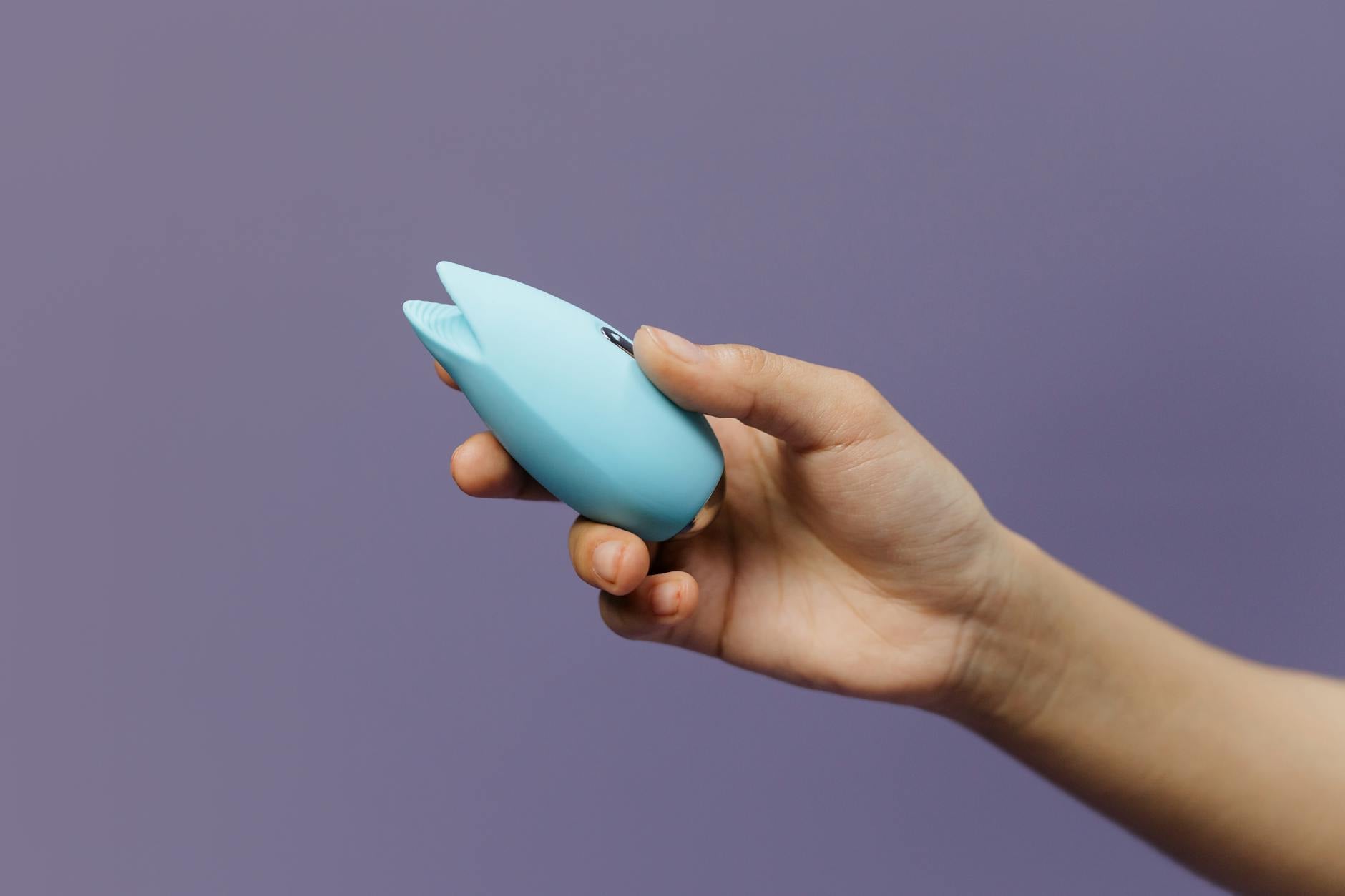
Photo by cottonbro studio on Pexels
Why this matters in long-term relationships
Here's what I see after 20 years of working with couples: people who maintain solo pleasure in their relationships report higher sexual satisfaction overall. Not because partnered sex is less important. But because the pressure comes off. You're not dependent on your partner for orgasms. You're not resentful about unmet needs. You're not performing.
This sounds backward. It's actually how desire sustains. When both people in a relationship know how to pleasure themselves, the sex they have together becomes something you choose, not something you need.
Lemon vibrators, in that context, are not a threat. They're a practice. They're self-knowledge. They're permission to want something without explaining it to anyone.
If your partner is still uncomfortable with this idea, How to Use Lemon Vibrators When Communication Feels Hard With Your Partner might help you build the conversation. But also know: a partner who punishes you for solo pleasure, or makes you hide it, or treats it as betrayal, is telling you something about their relationship with control. That's not a vibrator conversation. That's a partnership conversation.
Your pleasure is not negotiable. How you share it is.
Frequently asked questions
Do lemon clitoral vibrators reduce desire for partnered sex?
No. The opposite is more common. When you know what you like, you can ask for it. When you're not dependent on a partner for orgasm, the sex you have together becomes something you choose because you want to, not because you need to. That usually increases desire, not reduces it.
How often should I use a lemon vibrator solo?
As often as you want. There's no limit. Daily solo use is fine. Weekly is fine. Once a month is fine. It depends only on what your body wants. The only time to be thoughtful is if you're using solo pleasure to avoid partnered intimacy entirely. That's avoidance, not self-care.
Should I tell my partner I'm using a lemon vibrator?
That depends on your relationship. In a healthy partnership, you don't need permission. But you might want to share it as information. "I'm exploring this for myself," is different from hiding it. The hiding creates shame. Shame creates secrecy. Secrecy erodes trust. Openness about solo pleasure usually strengthens relationships because it removes the taboo.
Can lemon sexual toys make me unable to orgasm with a partner?
No. Your body is adaptive. Yes, you might orgasm faster with a vibrator because it's consistent. But that doesn't damage your ability to orgasm through other methods. It just means different stimulation takes different time. That's normal.
What if my partner wants to watch or participate in my solo sessions?
That's a boundary question. Some people love this. Some people need solo time to stay solo. Both are valid. The key is that this is your choice, not something you agree to because your partner wants it. Solo pleasure that becomes partnered pleasure because a partner insists on it is no longer solo pleasure. It's performing solitude.
Is it normal to prefer solo pleasure with a lemon vibrator over sex with my partner?
It depends on context. If you prefer it because your partner isn't meeting your needs, that's information. If you prefer it because you genuinely like the simplicity and zero-negotiation aspect, that's fine. If you prefer it because partnered sex is painful, pressured, or unrewarding, that's worth addressing. The preference itself isn't the problem. What it signals might be.